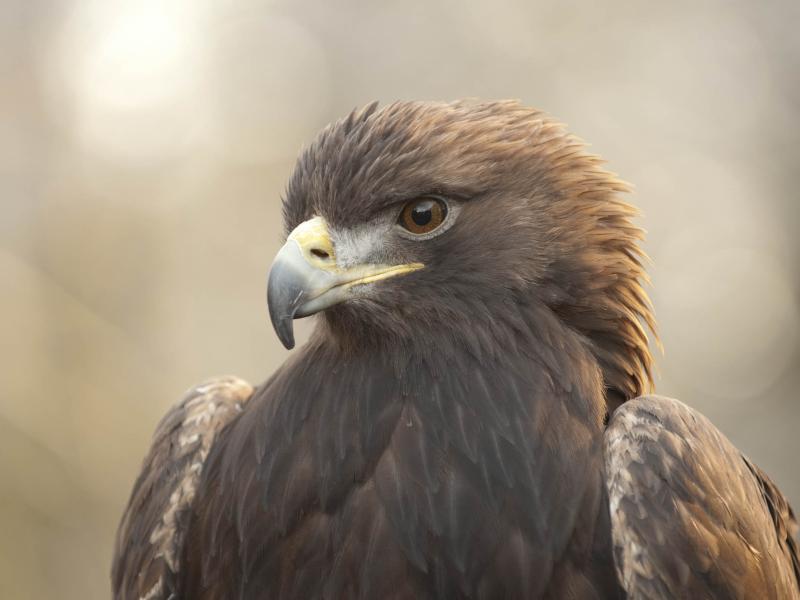


Also known as Verreaux’s eagle owls and giant eagle owls, milky eagle owls are widespread throughout Sub-Saharan Africa. They live in a range of habitats including woodlands, savannas and scrublands. They are one of the largest species of owl in the world with a wingspan of up to 6.5 feet.
The life of a milky eagle owl
Milky eagle owls can grow up to 26 inches long, weigh up to seven pounds and live up to 16 years in the wild, and up to 30 years in human care.
Milky eagle owls build nests made of sticks and foliage located on cliff edges or other hard-to-reach areas. Males and females both participate in building the nests, which are eight feet across and two feet thick. They may also use abandoned nests made by hawks or eagles.
After mating, females lay two eggs at a time. They hatch after about 38 days, but young milky eagle owls take about nine weeks before leaving the nest. They may stay with their parents for up to two years before becoming independent.
Milky eagle owls are carnivores that eat rodents, fish, reptiles, amphibians, and other birds. Although they are active during the daytime, they are mainly nocturnal hunters that feast at night. Milky eagle owls are apex predators with no natural predators themselves.
Milky eagle owls at the zoo
A milky eagle owl is an ambassador animal at the zoo. She helps educate guests about her species during special presentations.