


6-year-old Berry is settling into her new habitat in the rainforest area
Good news doesn’t always travel fast. Berry, a Linne’s two-toed sloth, slowly made her debut at the Oregon Zoo last week. Though sloths aren’t known for their speed, care staff say she’s settling in quickly to her new habitat.
“Berry made herself right at home in the branches of a tree,” said Marcus Jason, who oversees the zoo’s rainforest area. “Sloths spend most of their lives hanging upside down in trees, so it’s a perfect place for her.”
Visitors to the zoo can find Berry in the rainforest area, across from the slender-snouted crocodile habitat. If she isn’t visible right away, Jason recommends standing to one side of the viewing area and staying put awhile to watch for her movements.
“Sloths can nap up to 20 hours a day, and when they do move it’s pretty slowly,” Jason said. “Berry likes to be up high in the trees, so be sure to look up when you visit.”
Berry was born at New Jersey’s Turtle Back Zoo in 2017. Her move here was recommended by the Association of Zoos and Aquariums’ Species Survival Plan for Linne’s two-toed sloths, a cooperative program among accredited zoos to promote genetically diverse, self-sustaining populations of at-risk species.
While Linne’s two-toed sloths are listed as a species of least concern by the International Union for Conservation of Nature, their numbers are in decline. The biggest threats these slow-moving mammals face are deforestation and loss of habitat, along with hunting and the illegal wildlife trade.
More News
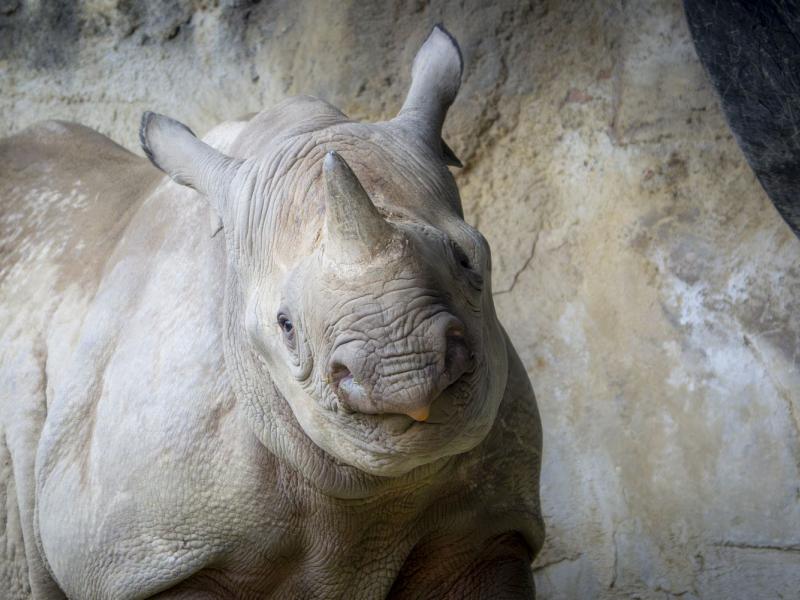
A ton of fun: 'Little' rhino Tamu tops 2,000 pounds
The smallest member of the Oregon Zoo rhino family might not stay that way for long!July 15, 2026

Tula-Tu's still having a ball — but now it's twice as big
Tula-Tu, the young Asian elephant at the Oregon Zoo, now tips the scales at over 1,300 pounds and care staff have given her a ball suitable for her size.July 8, 2026
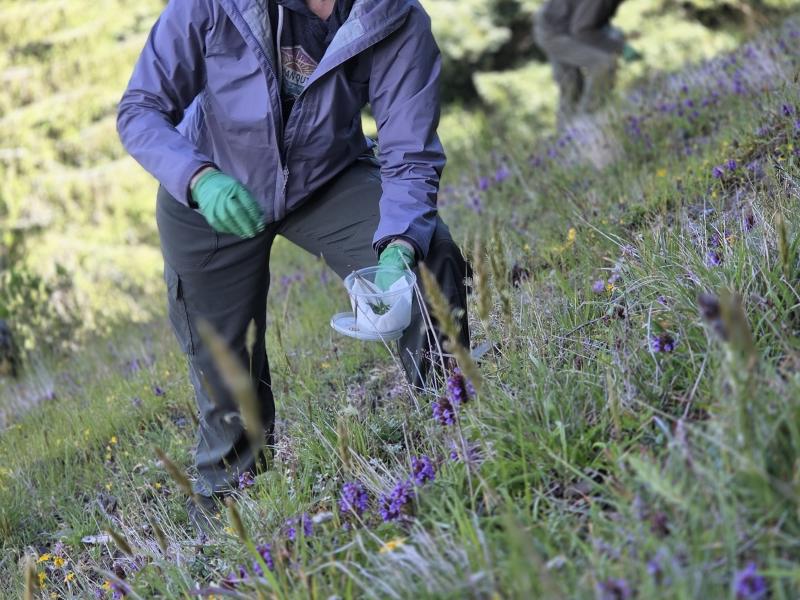
Zoo releases hundreds of rare butterflies at coast
Zoo conservation specialists and their partners released 1,304 Oregon silverspot larvae as part of an effort to save this beautiful and threatened Northwest species.July 1, 2026