


Zoo steps up geriatric care for Filbert the beaver, aka Stumptown Fil
The Oregon Zoo’s favorite branch manager is now sweet 15. Filbert the beaver celebrated his birthday at the zoo this week, complete with a stump “cake” decorated with beets and carrots, and some special attention from his care staff. Though still healthy and active for his age, his keepers say the senior resident of the beaver lodge is starting to get long in the tooth.
“Filbert is well into his teen years now, which is considered geriatric for a beaver,” said Jennifer Osburn Eliot, who oversees the zoo’s Great Northwest area. “His care team makes sure he gets lots of exercise and nutritious food, and he receives regular health checks from the zoo veterinarians. He’s doing really well for his age.”
Part of Filbert’s new exercise program includes extra swim time. Osburn Eliot says keepers are getting creative with ways to keep him moving in the pool, like training sessions that encourage Filbert to move from one place to another and spreading out favorite snacks around the habitat.
“We’re giving him more greens too,” Osburn Eliot said. “We want to help him stay as healthy as possible in his golden years.”
Wild beavers typically live up to 10 years, according to the Oregon Department of Fish and Wildlife, though they tend to live longer in human care.
Filbert was born at the Oregon Zoo on April 19, 2011. He’s a favorite among many zoo fans, in part for his annual appearance as ‘Stumptown Fil’ when he predicts whether or not Portland will see an early spring — notably his 2026 prediction was for six more weeks of winter, and it did rain on his April birthday celebration.
The senior beaver also does a great job connecting people with one of Oregon’s most iconic and misunderstood animals. He and his lodge-mate Maple have thousands of fans on the zoo’s social media channels, where their industrious wood-gathering activities have earned them the title “branch managers.”
Though Oregon is known for its beaver population, that hasn’t always been the case. In the 19th century, American beavers were hunted and trapped for their fur; by about 1900, they were almost gone from much of their original range. Pollution and habitat loss also affected their survival. In the past 100 years, beavers have made a strong comeback. They are now listed as a species of least concern by the International Union for Conservation of Nature.
More News
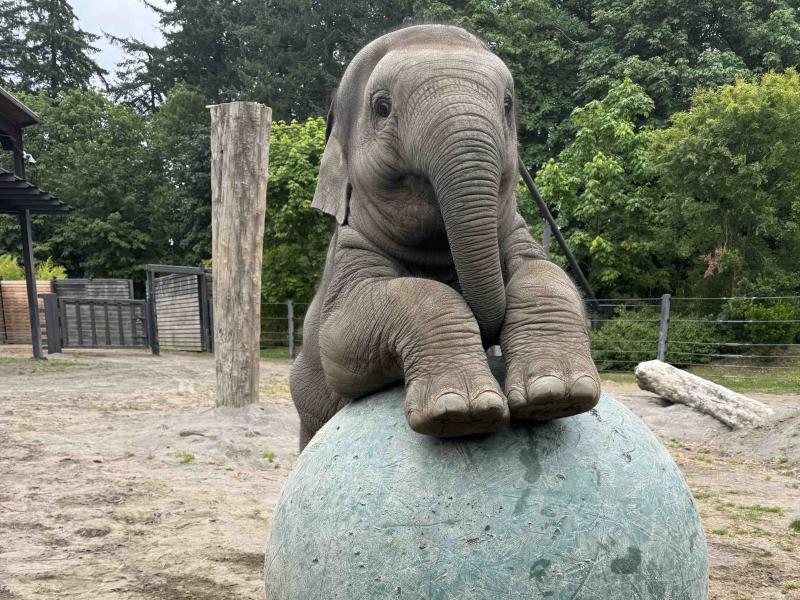
Tula-Tu's still having a ball — but now it's twice as big
Tula-Tu, the young Asian elephant at the Oregon Zoo, now tips the scales at over 1,300 pounds and care staff have given her a ball suitable for her size.July 8, 2026
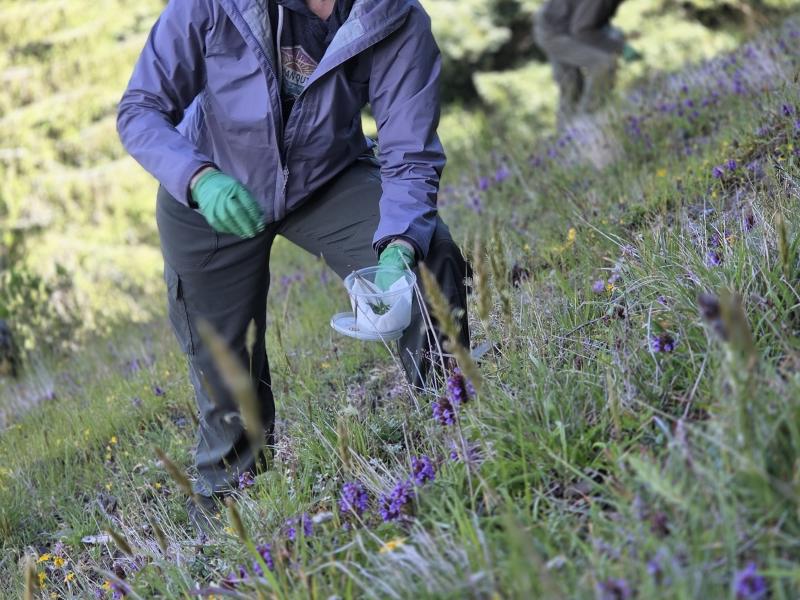
Zoo releases hundreds of rare butterflies at coast
Zoo conservation specialists and their partners released 1,304 Oregon silverspot larvae as part of an effort to save this beautiful and threatened Northwest species.July 1, 2026

Howdy-do, Liu! Red panda Enoki has a new pal
Liu (Lee-you), a 6-year-old red panda from the Toledo Zoo, is settling into his new home.June 24, 2026