

On rainy nights, Portland frogs hop a cab

Harborton Frog Shuttle provides safe transport for imperiled amphibians
It's a rainy winter evening in the City of Roses, and the area's largest population of northern red-legged frogs is on the move.
They're hopping down from Forest Park, where they live most of the time, to Harborton wetlands, their seasonal breeding grounds — crossing two roads, a four-lane highway and two sets of railroad tracks.
"It's like that old video game Frogger," said Philip Fensterer, a life-support systems professional at the Oregon Zoo by day and a volunteer "frog transportation specialist" by night. "In order to survive, these frogs need to make it across the road without getting hit by vehicles — and at rush hour, that's no easy feat."
The frogs usually attempt the perilous crossing between November and May, on rainy evenings when the temperature's 45 degrees or higher. On these occasions, Fensterer dons his rain gear and heads out to join a crew of around 90 volunteers assisting with Oregon Wildlife Foundation's Harborton Frog Shuttle — aka the "Frog Taxi."
Volunteers spread out, scanning the roadside and nabbing the amphibians as they approach. The frogs are then safely transported to their wetlands destination, where they're counted and released. After mating and laying eggs, the frogs head back uphill and catch another cab home to Forest Park.
Northern red-legged frogs are considered a federal species of concern and are protected in Oregon. The Forest Park frogs are Portland's last significant population.
While a safer route would be ideal, long-term solutions are limited. An overpass would be expensive to build, with no guarantee that the frogs would use it. And an underpass would channel too much water, potentially flooding the wetlands in the area.
So for now, a dedicated team of volunteers is keeping this population alive — one taxi at a time.
In addition to Oregon Wildlife Foundation, Harborton Frog Shuttle partners include the West Multnomah Soil and Water Conservation District and the Oregon Zoo's volunteer Environmental Conservation Outreach (ECO) team.
More News
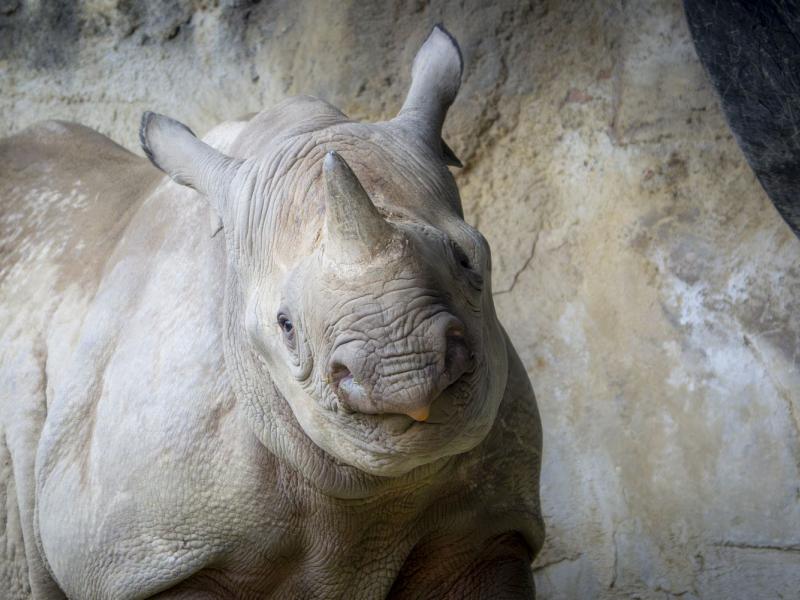
A ton of fun: 'Little' rhino Tamu tops 2,000 pounds
The smallest member of the Oregon Zoo rhino family might not stay that way for long!July 15, 2026
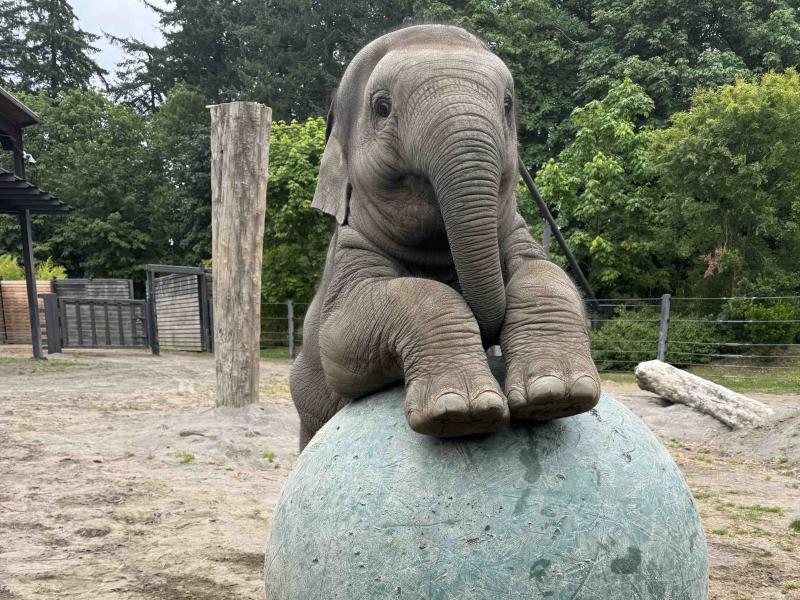
Tula-Tu's still having a ball — but now it's twice as big
Tula-Tu, the young Asian elephant at the Oregon Zoo, now tips the scales at over 1,300 pounds and care staff have given her a ball suitable for her size.July 8, 2026
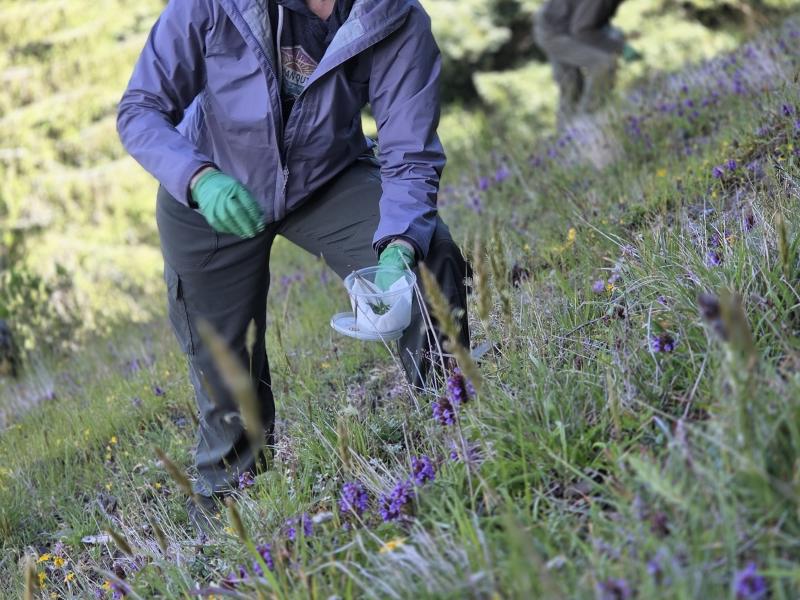
Zoo releases hundreds of rare butterflies at coast
Zoo conservation specialists and their partners released 1,304 Oregon silverspot larvae as part of an effort to save this beautiful and threatened Northwest species.July 1, 2026