

Routine zoo checkups yield spooky X-ray images

How do you take pictures of a 320-pound Amur tiger’s insides? Very carefully, of course — and with state-of-the-art equipment.
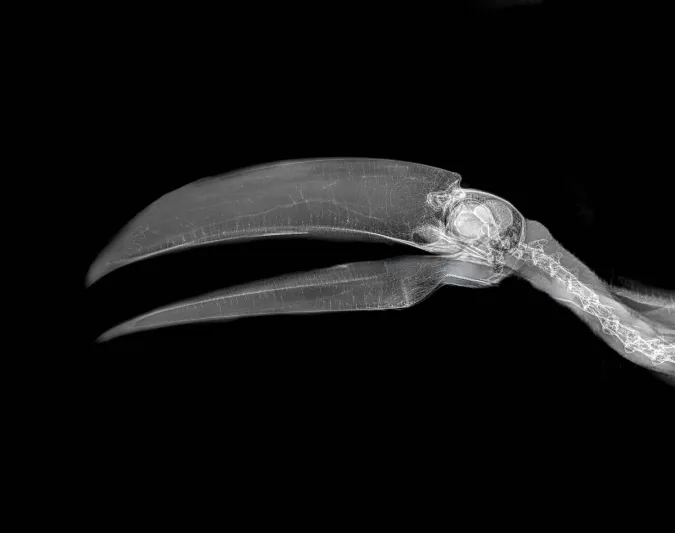
Every animal at the Oregon Zoo receives routine health exams, and often these checkups include radiographs (commonly called X-rays). Digital radiology has proved a useful diagnostic tool and helps the zoo’s animal experts provide excellent health care.
“Digital radiology helps us perform our examinations more quickly and precisely, so we can reduce the amount of time animals spend under anesthesia,” zoo veterinarian Dr. Josie Rose said. “This improves safety and lowers the risk for our patients. The technology also lets us archive images for future use, and share them with staff at other animal-care facilities.”
With Halloween approaching, the zoo compiled a spectacularly spooky set of skeletons — tortoise, toucan, gibbon, chameleon, beaver, bat, black bear and more — to share.
“Our digital system creates radiographic images with amazing detail and clarity," Dr. Rose said. “It helps us provide great health care for the animals, and it also offers a unique window into the world of wildlife.”
More News

Tula-Tu's still having a ball — but now it's twice as big
Tula-Tu, the young Asian elephant at the Oregon Zoo, now tips the scales at over 1,300 pounds and care staff have given her a ball suitable for her size.July 8, 2026
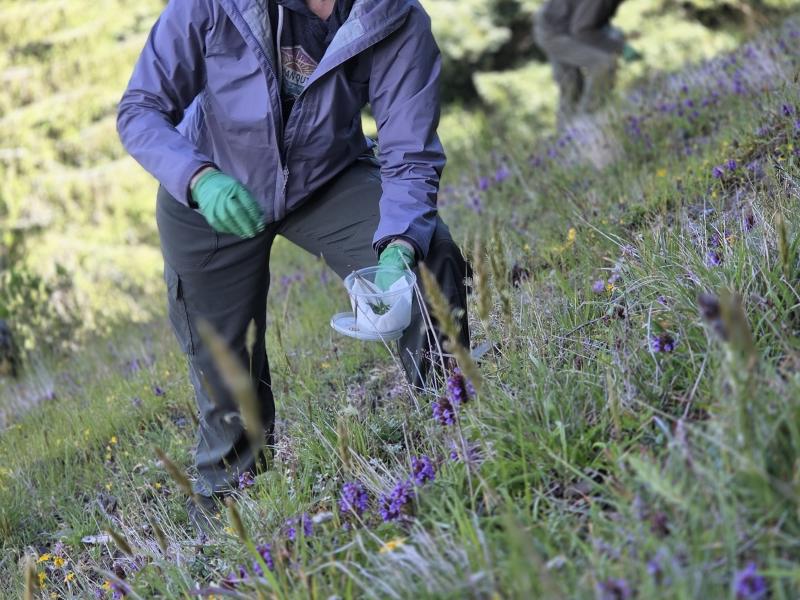
Zoo releases hundreds of rare butterflies at coast
Zoo conservation specialists and their partners released 1,304 Oregon silverspot larvae as part of an effort to save this beautiful and threatened Northwest species.July 1, 2026

Howdy-do, Liu! Red panda Enoki has a new pal
Liu (Lee-you), a 6-year-old red panda from the Toledo Zoo, is settling into his new home.June 24, 2026