

Talking scents: New lion enrichment is on the nose

Caregivers encourage African lions' natural instincts
The African lion family has been following its nose lately. To engage the big cats, caregivers have been taking straw bedding from the zoo’s mountain goat area and placing it in the lion habitat. Exploring new scents helps bring out some of the pride’s natural feline behaviors, keepers say.
“They’re getting some intriguing smells to consider, and they seem to love it,” said Kelly Gomez, who oversees the zoo’s Africa area.
The goat bedding is the latest addition to a creative enrichment schedule meant to change up the lions’ routines and keep their surroundings interesting. Keepers also hide food on rocks and under logs, dangle giant cat toys from the roof, and have even walked goats through the lion habitat — when the lions weren’t in it — to leave “game trails.”
“Adding scent-rich items to their environment is one of the things we do to help keep them healthy and happy,” Gomez said. “Throughout the zoo, we work to encourage the natural behaviors that make the different animals who they are — which in the lions’ case is some very big cats.”
Watching a cat get sensory enrichment is always fun, but even more so when it weighs 350 pounds. Gomez says the lions react in similar fashion to domestic cats that have found a new smell to explore: “They’re sniffing it, licking, rubbing it on themselves, rolling around in it — and eventually zonking out and relaxing.”
More News
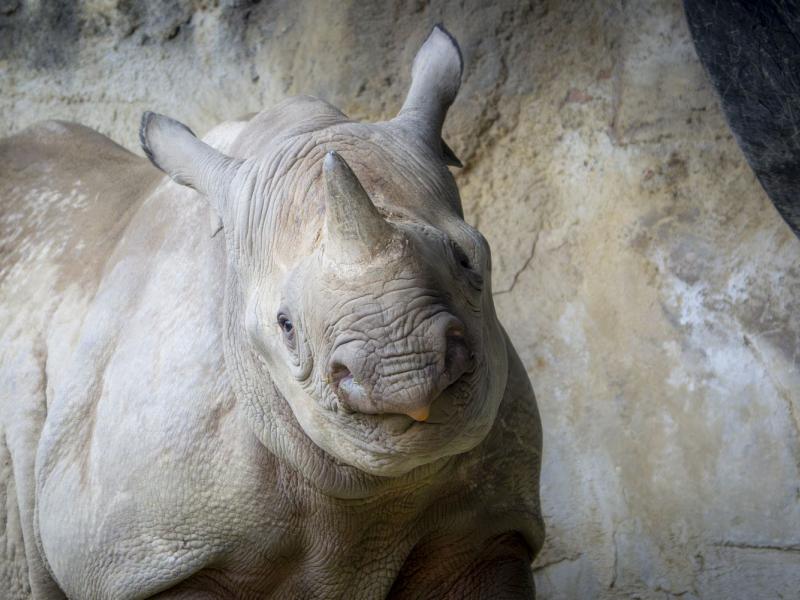
A ton of fun: 'Little' rhino Tamu tops 2,000 pounds
The smallest member of the Oregon Zoo rhino family might not stay that way for long!July 15, 2026
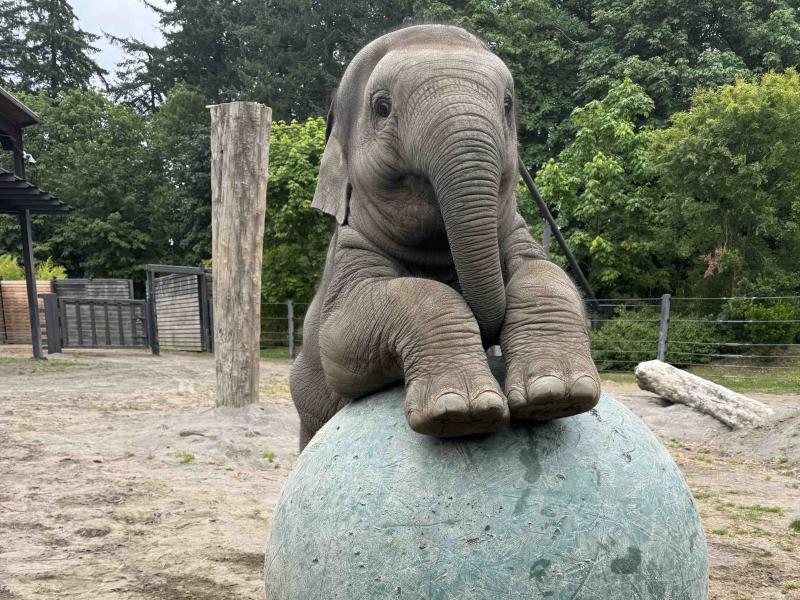
Tula-Tu's still having a ball — but now it's twice as big
Tula-Tu, the young Asian elephant at the Oregon Zoo, now tips the scales at over 1,300 pounds and care staff have given her a ball suitable for her size.July 8, 2026
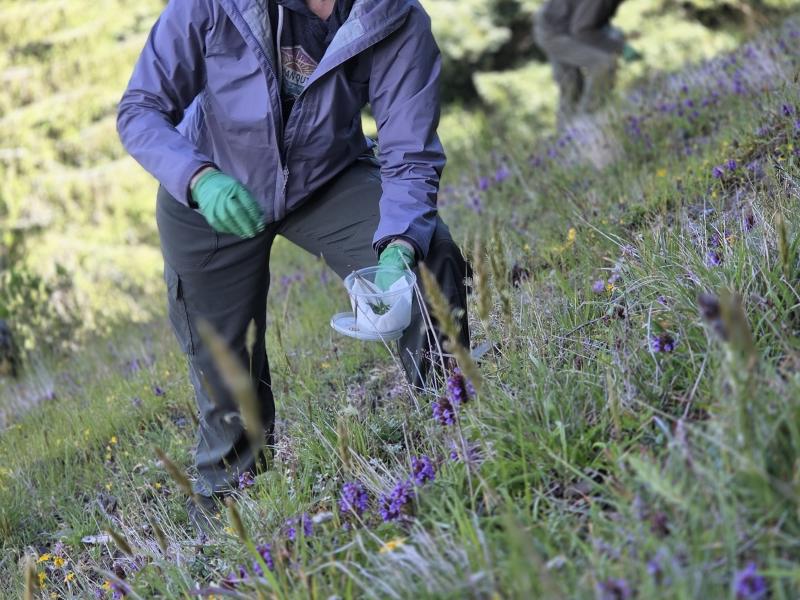
Zoo releases hundreds of rare butterflies at coast
Zoo conservation specialists and their partners released 1,304 Oregon silverspot larvae as part of an effort to save this beautiful and threatened Northwest species.July 1, 2026