

Zoo convenes action for imperiled elephants

Elephant experts develop priorities amid deadly wave of poaching incidents
Sabah government representatives joined conservation NGOs, local communities, palm oil producers, and tourism operators in Kota Kinabalu, Malaysia this week in the fight to save the world’s smallest elephants from extinction. Urgent action to combat wildlife crime, strengthen veterinary care and restore habitat emerged as critical priorities at the Bornean Elephant Action Plan symposium, sponsored by the Oregon Zoo.
The symposium emerged from years of efforts to conserve this endangered species, which faces mounting threats from habitat fragmentation, human-wildlife conflict and an alarming increase in elephant killings. The urgency of the situation was underscored by the discovery this week of another elephant brutally decapitated by poachers.
At the core of these threats to wildlife is coexistence with humans. Elephants have been killed or injured when wandering into developed areas, and the conflicts can separate calves from their herds. The Oregon Zoo’s Chendra — the only Bornean elephant in North America — was orphaned this way.
“With only an estimated 1,000 Bornean elephants remaining in the wild, Malaysia is taking strong action to protect this natural treasure,” said Dr. Sharon Glaeser, the Oregon Zoo’s elephant conservation lead. “Bornean elephants are a keystone species in one of Earth’s richest ecosystems, but strong coordinated action is needed to ensure their survival.”
As “forest gardeners,” elephants play a vital role regenerating forests, dispersing seeds that boost plant diversity, and creating homes and food for thousands of other species. They also attract millions of tourists to Sabah each year. In 2023 alone, eco-tourists contributed more than $1 billion to the local economy.
“We know now that elephants can survive in this mosaic landscape of forest, oil palm and human settlement,” said Dr. Farina Othman, an authority on the species and director of the nonprofit Seratu Aatai. “But their continued survival will depend on finding strategies to coexist. Our education and mitigation efforts are strengthened by international support from partners like the Oregon Zoo.”
The zoo also supports reforestation efforts by the nonprofit HUTAN while funding two full-time rangers with the Sabah Wildlife Department.
A particular focus for the zoo is the recent increase in orphaned, separated or injured calves and juveniles requiring human care. Many do not survive, and those that do often need lifelong care, placing an immense strain on Sabah’s Wildlife Department resources. At the symposium, the department launched a plan, co-developed by Dr. Glaeser, aimed at ensuring high-quality support for orphaned elephants in their care.
For more than 25 years, the Oregon Zoo has partnered with organizations in Sabah to advance conservation and animal welfare in this critical region.
The Bornean Elephant Action Plan Symposium was coordinated by the Sabah Wildlife Department in partnership with Seratu Aatai, the Oregon Zoo, Danau Girang Field Centre, and HUTAN, with participation from WWF-Malaysia, the Sabah Forestry Department, Sabah’s palm oil industry and others.
The Oregon Zoo is recognized worldwide for its elephant care program, which has spanned more than 60 years. The zoo supports a broad range of efforts to help wild elephants and has established a $1 million endowment fund supporting Asian elephants, including the Association of Zoos and Aquariums’ SAFE program to advance conservation across all 13 Asian elephant range countries.
More News
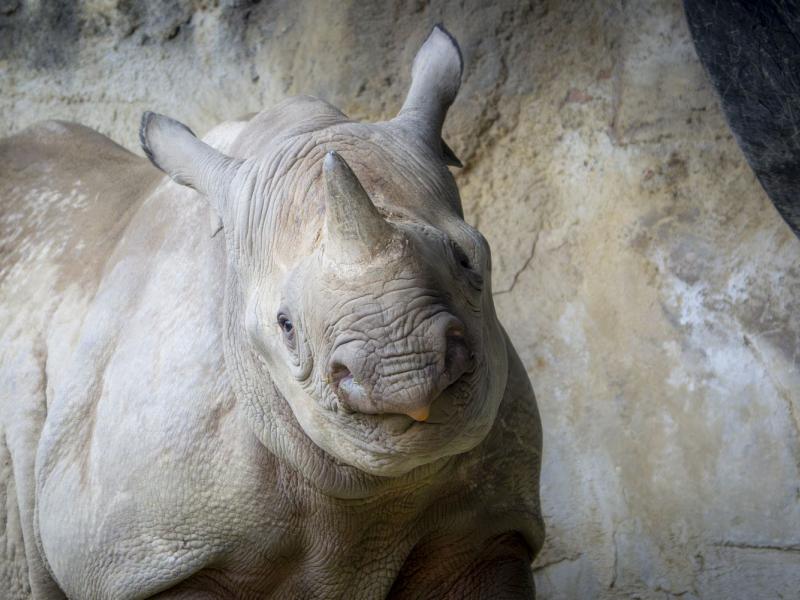
A ton of fun: 'Little' rhino Tamu tops 2,000 pounds
The smallest member of the Oregon Zoo rhino family might not stay that way for long!July 15, 2026
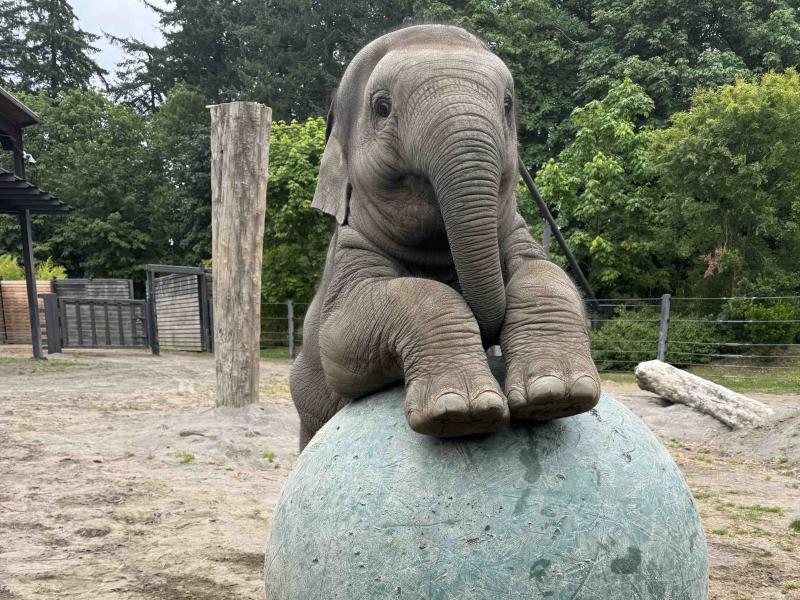
Tula-Tu's still having a ball — but now it's twice as big
Tula-Tu, the young Asian elephant at the Oregon Zoo, now tips the scales at over 1,300 pounds and care staff have given her a ball suitable for her size.July 8, 2026
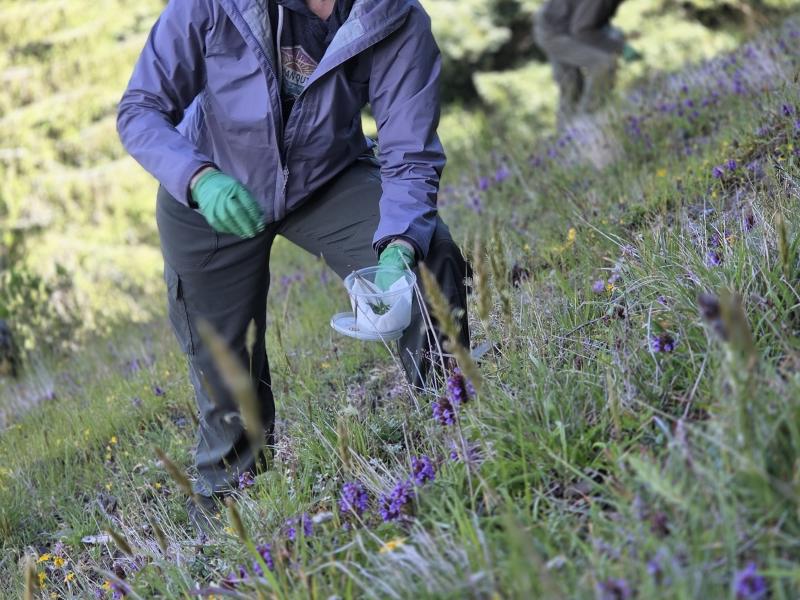
Zoo releases hundreds of rare butterflies at coast
Zoo conservation specialists and their partners released 1,304 Oregon silverspot larvae as part of an effort to save this beautiful and threatened Northwest species.July 1, 2026