


The federal government is considering four changes to the Endangered Species Act that would severely weaken our most powerful tool for saving wildlife. Speak up for America’s wildlife and defend the Endangered Species Act by submitting a comment to the Federal Registry opposing these changes.
Submit your comments to defend the ESA
If you have one minute for wildlife: Submit one comment.
If you have a few minutes for wildlife: Submit all four comments.
The deadline to submit public comments is Monday, Dec. 22. Submit your comments below:
-
1. Protect habitats over profits
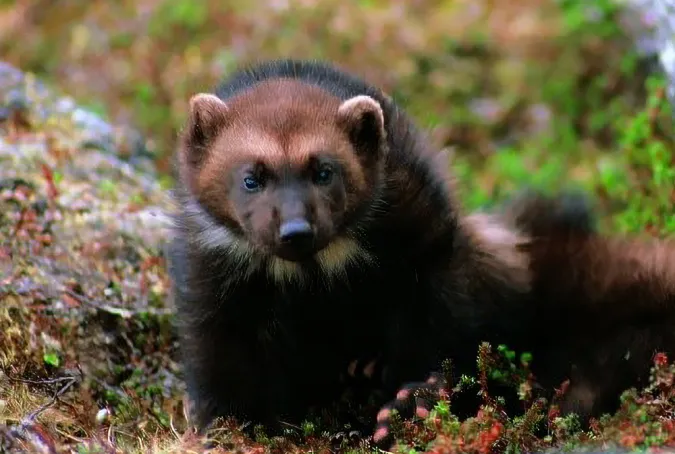
Under the ESA, the government designates critical habitat to protect threatened and endangered wildlife. But this rule change would allow the U.S. Fish and Wildlife Service to prioritize economic interests over habitat conservation needs for newly listed species. That’s a major setback for wildlife like wolverines, which depend on large, connected landscapes that are easily fragmented by development, drilling and mining.
Use this sample message or write your own.
In the 51 years since its creation, the Endangered Species Act has saved 99% of the listed species from extinction. As a devoted supporter of America’s wildlife, I urge you to withdraw this proposed rule change, which abandons decades of legal precedent, overrides the best available science and erodes the original intent of Congress by creating loopholes allowing the Administration to exclude critical habitat for recovering species.The Endangered Species Act reflects our commitment to protecting not only imperiled species but the ecosystems that sustain them, an obligation we must not weaken. This rule change will accelerate species decline and harm the ESA’s fundamental purpose.
I urge the Administration to withdraw its proposed rule and recommit to the ESA’s original mandate: conserving endangered species and the ecosystems they depend on. Strong, science-based habitat protections are crucial for giving imperiled wildlife a real chance at recovery.
-
2. Safeguard threatened species
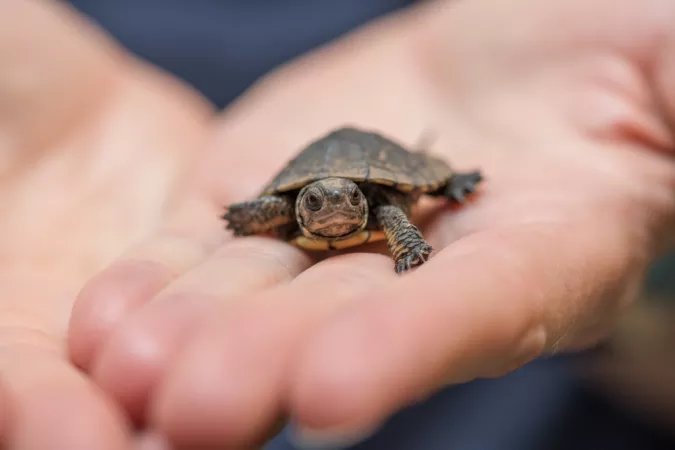
The Endangered Species Act’s long-standing “blanket rule” automatically gives newly listed threatened species the same baseline protections as endangered species while the USFWS identifies species-specific safeguards. This proposed change will eliminate the “blanket rule,” which means species that could be listed in the future—like the northwestern pond turtle—may lose the standard protections vital to their recovery.
Use this sample message or write your own.
In the 51 years since its creation, the Endangered Species Act has saved 99% of the listed species from extinction. As a devoted supporter of America’s wildlife, I urge you to withdraw this proposed rule change to rescind the “blanket rule,” which provides uniform safeguards to ensure that vital prohibitions, like restrictions on killing, harming, and harassing wildlife, are automatically applied upon a species listing. This proposal will remove the essential baseline protections that threatened species have relied on for decades.The Endangered Species Act reflects the federal government’s commitment to protecting not only imperiled species but the ecosystems that sustain them, an obligation that must not be weakened. Repealing the long-standing “blanket rule” means that threatened species could go months or even years without protections during the most vulnerable phase of their decline. The “blanket rule” is a proven, efficient, and scientifically supported safety net, and removing it creates administrative delay that will strain agency capacity and put already-imperiled species at greater risk at a critical time. The “blanket rule” has provided clarity and consistency for landowners and agencies while ensuring that baseline protections are established quickly and uniformly.
I urge the Administration to withdraw this proposed rule that directly undermines the ESA’s original objective: conserving endangered species and the ecosystems they depend on, as required by Congress and expected by the American people.
-
3. Save wildlife from future threats
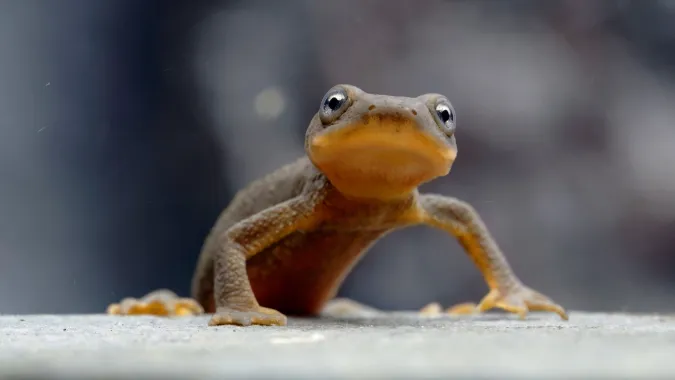
The government must consider future threats when deciding whether to list a species. Under this rule change, however, agencies will not be required to look as far down the road. That spells trouble for species that could be listed, like Crater Lake’s Mazama newt. The newt faces worsening problems like invasive species and climate change.
Use this sample message or write your own.
In the 51 years since its creation, the Endangered Species Act has saved 99% of the listed species from extinction. As a devoted supporter of America’s wildlife, I urge the Administration to withdraw this proposed rule change, which abandons decades of legal precedent and undermines the original intent of Congress to advance science-based conservation.The Endangered Species Act reflects our commitment to protecting imperiled species but the ecosystems that sustain them, an obligation we must not weaken. Introducing ambiguity in the definition of “recovery” raises serious concerns about the premature removal of protections for threatened and endangered species. If applied loosely, at risk species could lose ESA protection before populations are truly stable and resilient. The proposed rule also shortens the time horizon for assessing threats, limiting USFWS’ ability to account for long-term or emerging risks like habitat loss or climate change. Together, these changes could lead to delisting decisions that ignore cumulative and dynamic threats, undermining decades of recovery efforts and accelerating species decline, contrary to the ESA’s purpose.
I respectfully urge the Administration to withdraw this proposed rule and recommit to the ESA’s original objective: conserving endangered species and the ecosystems they depend on, as required by Congress and expected by the American people.
-
4. Guarantee federal agencies cooperate for wildlife
Federal agencies must work together to ensure infrastructure projects do not jeopardize endangered wildlife. But this new rule change would weaken that cooperation, posing a big problem for species like the Canada lynx, whose habitat is threatened by the expansion of roads and housing developments.
Use this sample message or write your own.
In the 51 years since its creation, the Endangered Species Act has saved 99% of the listed species from extinction. As a devoted supporter of America’s wildlife, I urge the Administration to withdraw this proposed rule, which threatens a cornerstone of the Endangered Species Act, erodes legal requirements, and undermines the original intent of Congress for federal agencies to coordinate with each other to ensure federal actions do not jeopardize listed wildlife or degrade their critical habitat.The Endangered Species Act reflects our commitment to protecting not only imperiled species but the ecosystems that sustain them, an obligation that must not be weakened. This proposed rule narrows definitions for “effects of the action” and “environmental baseline” and removes mitigation offset requirements, all of which could allow federal actions to proceed without fully accounting for their impacts on listed species or critical habitat. Weakening these requirements reduces the scope of review and gives agencies greater leeway to approve projects without fully evaluating cumulative or indirect effects. This will leave listed species more vulnerable, accelerate species decline, and undermine the ESA’s fundamental purpose.
I respectfully urge the Administration to withdraw this proposed rule and retain existing consultation standards to ensure compliance with the ESA’s statutory intent and expectations of the American people.

More News
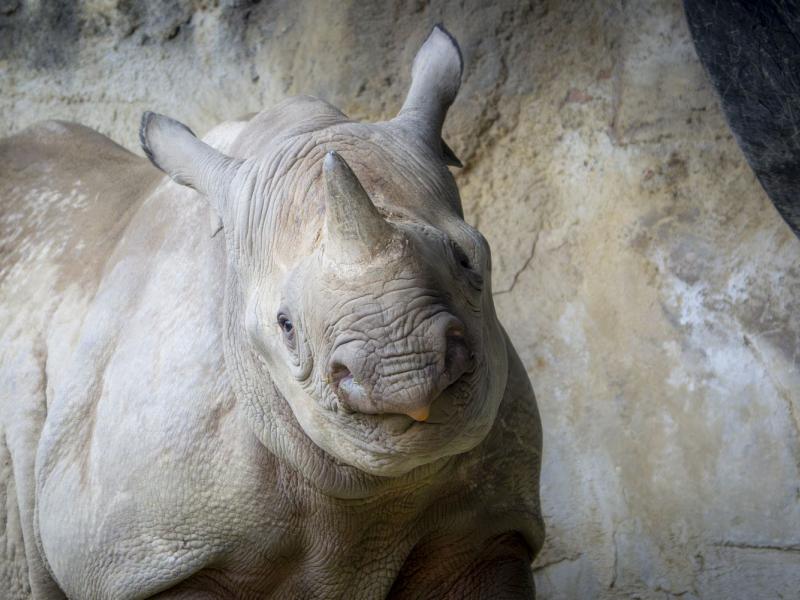
A ton of fun: 'Little' rhino Tamu tops 2,000 pounds
The smallest member of the Oregon Zoo rhino family might not stay that way for long!July 15, 2026

Tula-Tu's still having a ball — but now it's twice as big
Tula-Tu, the young Asian elephant at the Oregon Zoo, now tips the scales at over 1,300 pounds and care staff have given her a ball suitable for her size.July 8, 2026
Zoo releases hundreds of rare butterflies at coast
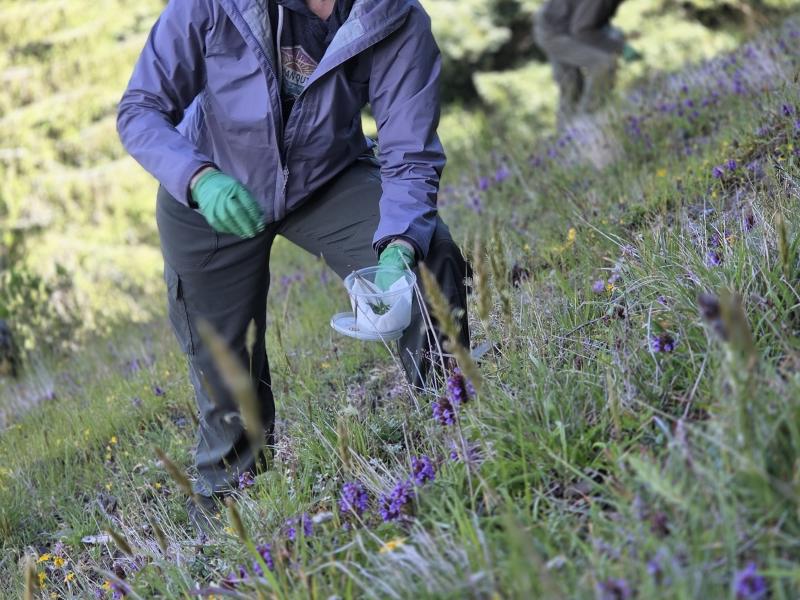
Zoo conservation specialists and their partners released 1,304 Oregon silverspot larvae as part of an effort to save this beautiful and threatened Northwest species.July 1, 2026