

Older than trees: Pacific lamprey return to zoo

Ancient, eel-like fish are back this week in the Oregon Zoo’s Great Northwest area
The Oregon Zoo’s newest residents are also its oldest: 25 Pacific lamprey moved into the zoo’s Great Northwest area today. Guests can visit them in the Cascade stream and pond section, where the lamprey are often seen suctioned onto the glass of their habitat windows with sucker-like mouths and concentric rings of sharp yellow teeth.
“We’re so excited to welcome lamprey back,” said Jen Osburn Eliot, who oversees the zoo’s northwest area. “It’s a great opportunity for guests to get an up-close look at this species and learn all about its natural history and cultural significance in the region.”
Though Pacific lamprey have survived three ice ages and five mass extinctions, their populations have declined significantly over the past 75 years due to habitat loss and degradation, passage barriers, climate change and food scarcity. They are now considered a species of concern by the U.S. Fish and Wildlife Service as well as the Oregon and Washington state fish and wildlife agencies.
The zoo lamprey are part of a tribal-led restoration effort that collects the fish from Willamette Falls and moves them to areas above the dams where they used to live. This group will stay at the zoo through the winter, and then be transported above the Detroit dam in the North Santiam subbasin.
“Our tribal partnerships are among our most meaningful in conservation, and they show what’s possible when relationships are built around a shared purpose,” said Shervin Hess, the zoo’s conservation manager. “They’re working to restore this ancient species to their historic range, and we’re grateful that the zoo can play a supporting role.”
Additional lamprey collected at Willamette Falls will be translocated directly to the release site, without overwintering at the zoo. Comparing these different approaches can provide valuable information on how best to restore the species, wildlife officials say.
“We’ll use DNA fingerprinting of the zoo lamprey to identify their offspring and compare their reproductive success with that of the other lamprey,” said Jon Hess, senior fisheries geneticist for the Columbia River Inter-Tribal Fish Commission. “This sample group from the zoo will allow us to learn more about how to be most effective in restoring lamprey to their native streams.”
In 2019, CRITFC and its member tribes partnered with the zoo and the U.S. Fish and Wildlife Service to create a new lamprey habitat celebrating this ancient, important fish. The habitat has since connected millions of guests with the story of lamprey, their cultural significance and why humans need to protect them.
Predating dinosaurs and even trees, this 400-million-year-old native species remains an important part of the history and culture of the Pacific Northwest. Later this month, the Yakama Nation will host its 2026 Willamette Falls Lamprey Celebration in Oregon City. The celebration will include an asúm (Pacific lamprey) harvest with cultural dancing, guest speakers, food and a boat tour to the falls.
More News
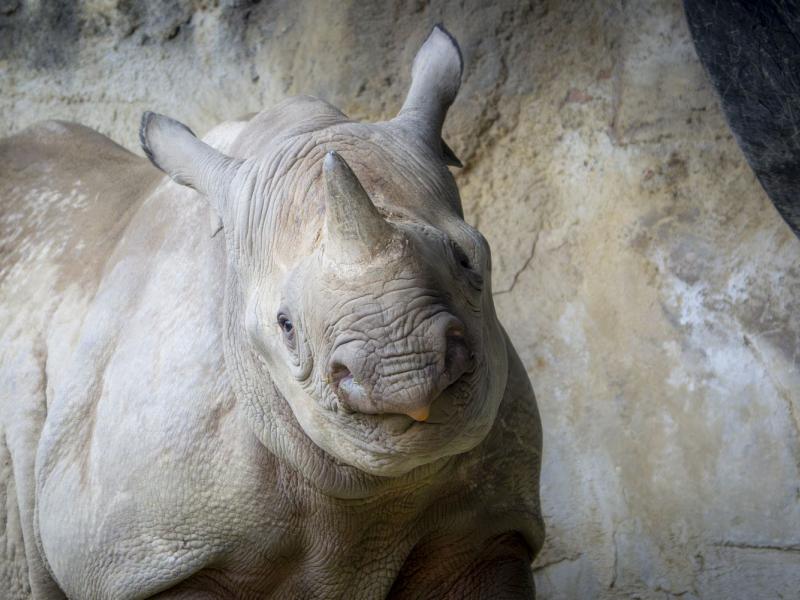
A ton of fun: 'Little' rhino Tamu tops 2,000 pounds
The smallest member of the Oregon Zoo rhino family might not stay that way for long!July 15, 2026
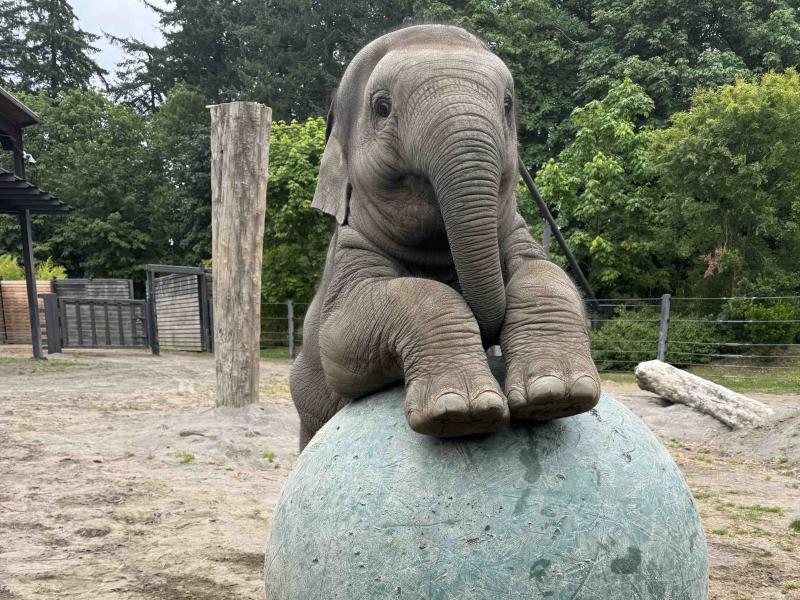
Tula-Tu's still having a ball — but now it's twice as big
Tula-Tu, the young Asian elephant at the Oregon Zoo, now tips the scales at over 1,300 pounds and care staff have given her a ball suitable for her size.July 8, 2026
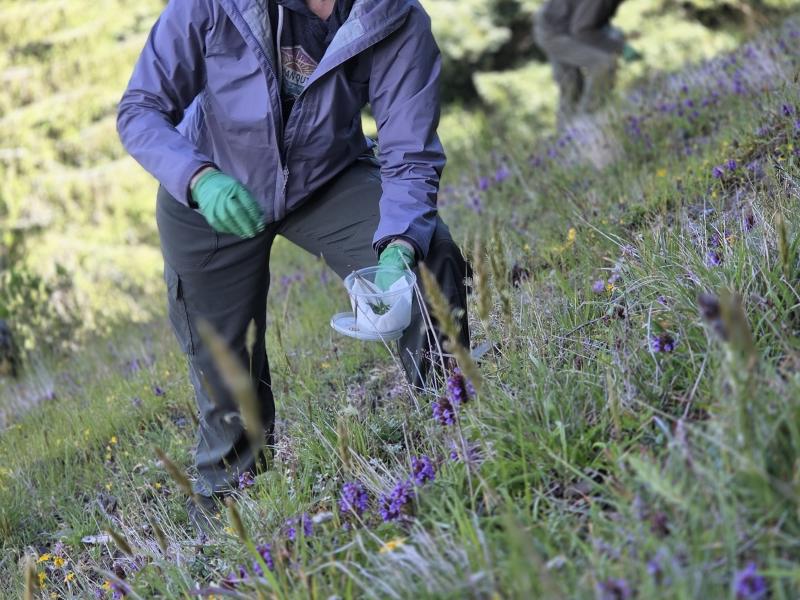
Zoo releases hundreds of rare butterflies at coast
Zoo conservation specialists and their partners released 1,304 Oregon silverspot larvae as part of an effort to save this beautiful and threatened Northwest species.July 1, 2026