


Kya raised three cubs and gave millions a ‘sense of wonder and connection’
The Oregon Zoo bid a sad farewell today to Kya, the oldest member of its African lion pride.
At a few months shy of 19, Kya was considered geriatric for her species. In the wild, female lions seldom live beyond the age of 16, and caregivers said Kya had been slowing down for some time. Keepers worked with the veterinary team to make sure she was comfortable in her golden years. Maintenance crews added ramps in the lion habitat to help the older cats reach their favorite spots atop the rocks.
“Kya was part of our original pride when Predators of the Serengeti opened, and some of her caregivers knew her for 15 years,” said Kelly Gomez, who oversees the zoo’s Africa area. “She was a beautiful lion, and we will miss her fierce spirit. She touched the hearts of millions of zoo visitors.”
Conservationists say Kya’s legacy is one of hope for her species. African lions are listed as vulnerable by the International Union for Conservation of Nature, and according to some estimates could face extinction within the next 25 years.
“Here in Mozambique, people are sharing the landscape with wild lions, and this reminds me every day how important it is to continue to have lions as part of our world and ecosystems,” said Dr. Colleen Begg, director of the Niassa Carnivore Project. “Kya gave millions of people that same sense of wonder and connection, and those moments of inspiration are what ultimately turn people into lifelong protectors of lions.”
Kya was born at Wisconsin’s Racine Zoo in 2007 and came to Portland when the zoo unveiled its Predators of the Serengeti area in 2009. In 2014, she gave birth to a litter of cubs. Two of her offspring — Mashavu and Niara — remain at the Oregon Zoo. The male, Hasani, moved to the Houston Zoo as part of the Species Survival Plan for African lions, a cooperative program aimed at supporting socially stable groups and maintaining a sustainable, genetically diverse lion population at facilities accredited by the Association of Zoos and Aquariums.
More News
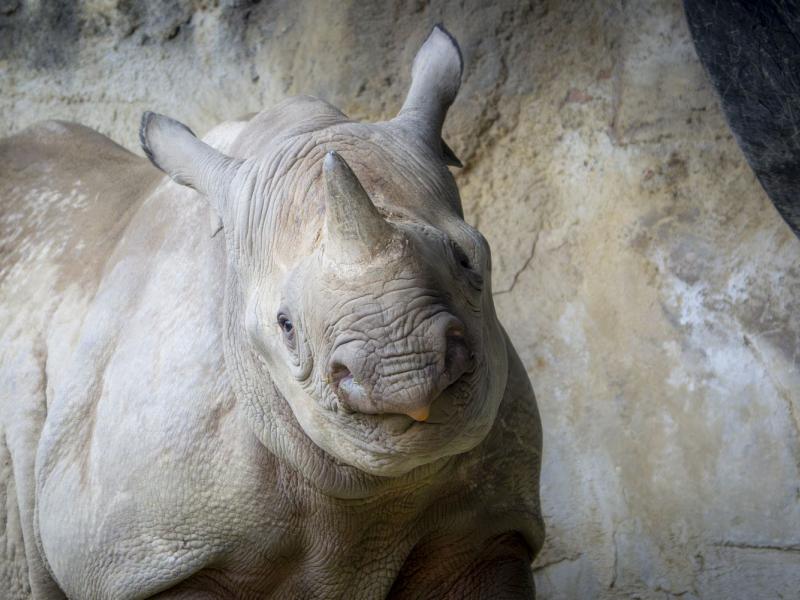
A ton of fun: 'Little' rhino Tamu tops 2,000 pounds
The smallest member of the Oregon Zoo rhino family might not stay that way for long!July 15, 2026
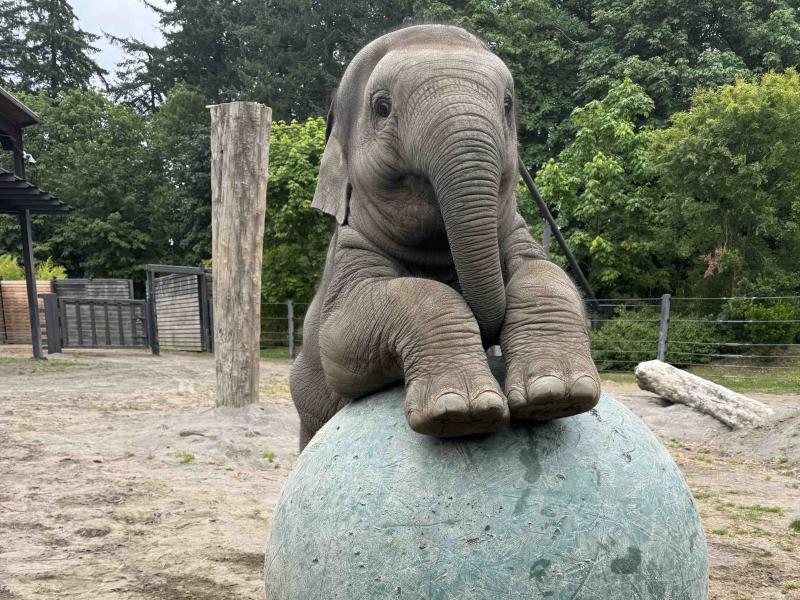
Tula-Tu's still having a ball — but now it's twice as big
Tula-Tu, the young Asian elephant at the Oregon Zoo, now tips the scales at over 1,300 pounds and care staff have given her a ball suitable for her size.July 8, 2026

Zoo releases hundreds of rare butterflies at coast
Zoo conservation specialists and their partners released 1,304 Oregon silverspot larvae as part of an effort to save this beautiful and threatened Northwest species.July 1, 2026