

From Chi-Town to Stumptown: Zoo welcomes new seal

Sterling, a 31-year-old female, joins the harbor seal family at Steller Cove
The Oregon Zoo brought home the silver this summer in the form of Sterling, a female harbor seal who arrived from Chicago's Brookfield Zoo in late May. After a few weeks getting to know her new caregivers behind the scenes, she can now be seen with the rest of the harbor seals at the zoo's Steller Cove.
Visitors can identify Sterling by her striking coat.
"Sterling has beautiful dark markings," said Nicole Nicassio-Hiskey, the zoo's senior marine animal keeper. "Her fur is a bit browner than the rest of the group too, so she's easy to spot."
At 31, Sterling is older than the zoo's other harbor seals: Kaya, who's 3, her mother Atuun, 14, and Tongass, who's 11.
The four pinnipeds are getting along swimmingly, according to Nicassio-Hiskey, sharing meals of fresh herring and diving together. Though Sterling is the group's ranking senior, she's still in her prime — healthy harbor seals in zoos routinely live into their forties.
"In Chicago, the harbor seal habitat was known as 'Sterling's Nursery' because she was so good with the younger seals," Nicassio-Hickey said. "We're hoping she'll play a similar role here."
Harbor seals are awkward on land, where they flop along on their bellies, but they are agile and flexible in water. They can swim forward, backward and upside-down and up to 12 miles an hour. Expert divers, they can swim between 300 and 1,500 feet below the surface. During a dive, their nostrils close and their heart rate slows from 100 beats per minute to about 5 beats per minute, allowing them to stay underwater as long as 35 minutes.
More News
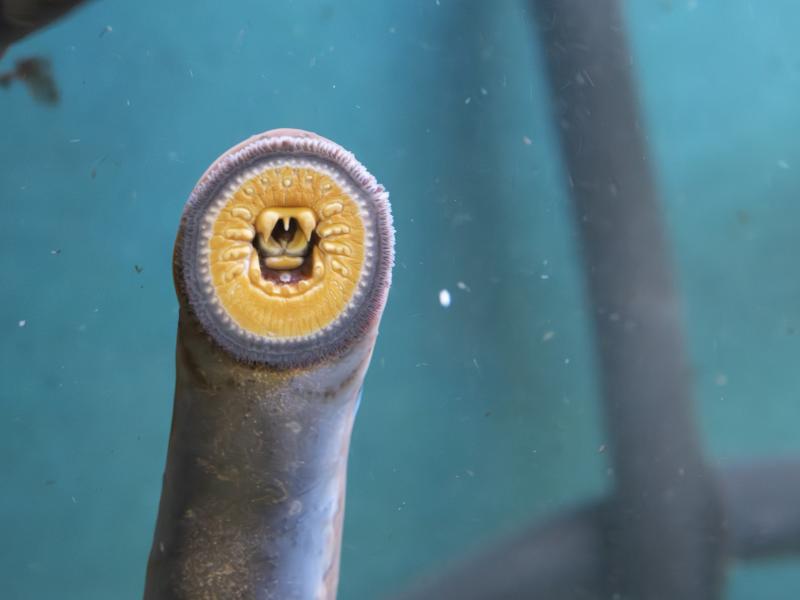
Older than trees: Pacific lamprey return to zoo
25 Pacific lamprey moved into the zoo’s Great Northwest area today.June 10, 2026
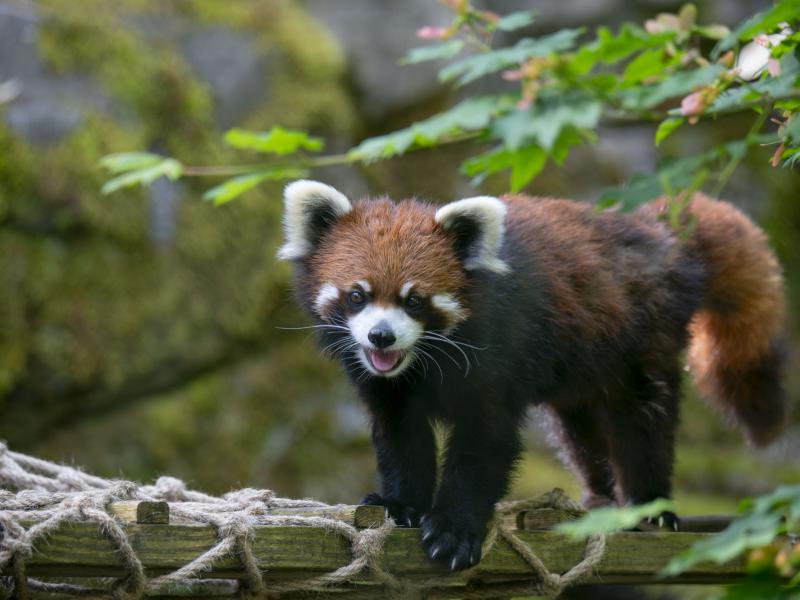
Okey-dokey, Enoki! Zoo welcomes rare red panda
What’s black and white and red all over? Enoki the red panda!June 4, 2026
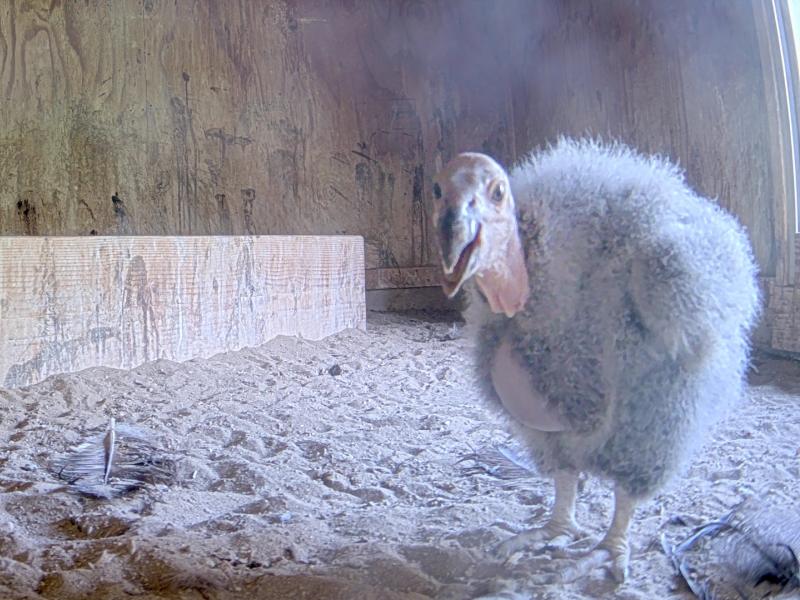
A record year for zoo's condor recovery effort
California condors at the Oregon Zoo’s Jonsson Center for Wildlife Conservation have produced 15 healthy chicks this year — the most ever in the zoo’s 23-year effort to save this species.May 29, 2026