

Gorge pikas resilient in wake of Eagle Creek Fire

New data from Cascades Pika Watch shows pikas surviving in Eagle Creek region
In the wake of last year's Eagle Creek Fire, a group of citizen scientists ventured out to the Columbia River Gorge with one question on their minds: How are the pikas? The scientists comprise Cascades Pika Watch — a collaboration of organizations and individual pika researchers convened by the Oregon Zoo — and according to their latest findings, the pint-sized mammals are alive and well.
In 2017, the Eagle Creek Fire burned through much of the pika habitat on the Oregon side of the Columbia River Gorge. This summer, thanks to a Citizen Science grant from the U.S. Forest Service, Cascades Pike Watch set out to see how pikas were faring in the areas most affected by the fire. They detected pikas at 18 sites out of 45 surveyed — an expected decrease from previous years, but still promising.
"It's encouraging to see pikas living in this region, even in smaller numbers," said Amanda Greenvoss, who oversees the zoo's pika watch program. "We are in a unique position of having data on where pikas lived before the fire, and will now be able to monitor in the years to come to see how they repopulate after the fire."
American pikas are small mammals related to rabbits, known for their distinctive high-pitched calls. They're often found in rugged high-elevation mountain habitats, so pikas in the Columbia River Gorge are of particular interest because they live at a much lower elevation than any other pika population in the United States.
"Pikas can be difficult to detect because of their small size and their ability to blend in with their rocky habitat, especially if you don't know what to look for," said Greenvoss. "We're fortunate to have dedicated volunteers with Cascades Pika Watch who know how to spot them in the wild."
With the funds from the Citizen Science grant, Cascades Pika Watch worked closely with the Forest Service to conduct surveys and collect information to find out how fire affects pika habitat and potential trends in pika populations. In total, 112 volunteers logged in 995 hours throughout the summer, collecting data on the pika in the post Eagle Creek Fire burn area, as well as other pika habitats in the region.
The $24,100 Citizen Science grant was one of four awarded earlier this year to fund efforts where partners, volunteers and the Forest Service work together in pursuit of sound science and meaningful community and volunteer engagement. The zoo's pika proposal was selected out of 168 qualified projects around the country.
Cascades Pika Watch is now in its fourth year, and citizen scientists from around the region are invited to help. Since it began, the effort has trained more than 1,000 volunteers to conduct pika surveys throughout the Cascade Range.
More News
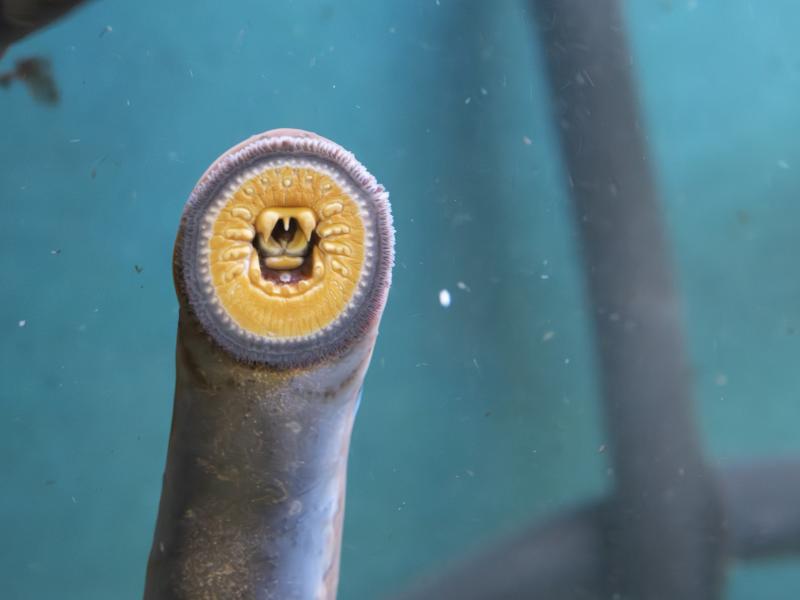
Older than trees: Pacific lamprey return to zoo
25 Pacific lamprey moved into the zoo’s Great Northwest area today.June 10, 2026

Okey-dokey, Enoki! Zoo welcomes rare red panda
What’s black and white and red all over? Enoki the red panda!June 4, 2026
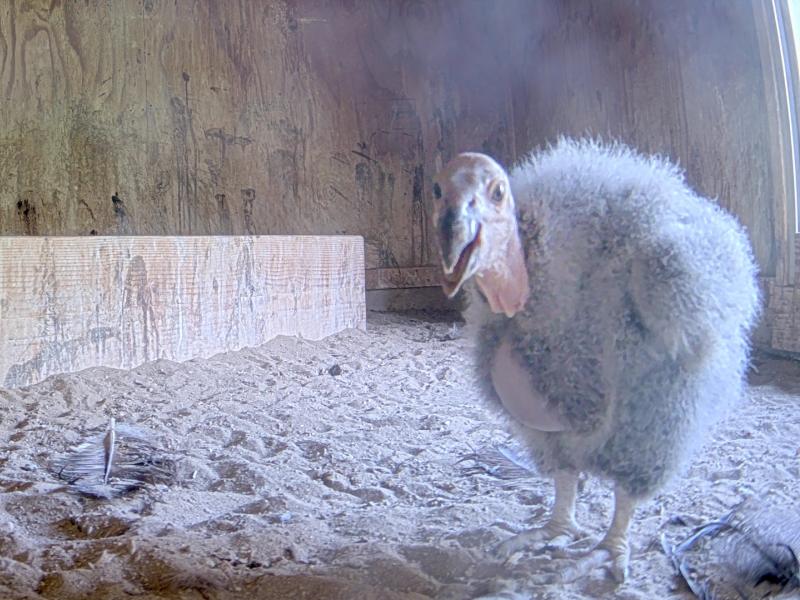
A record year for zoo's condor recovery effort
California condors at the Oregon Zoo’s Jonsson Center for Wildlife Conservation have produced 15 healthy chicks this year — the most ever in the zoo’s 23-year effort to save this species.May 29, 2026