


Zoo-based rearing program and invasive species effort help northern leopard frogs
For the first time, biologists have documented zoo-reared northern leopard frogs surviving a winter in the wild at the Columbia National Wildlife Refuge in eastern Washington — despite the presence of invasive American bullfrogs that nearly wiped them out.
Thanks to targeted bullfrog control, some of the northern leopard frogs released last August by the Oregon Zoo and Northwest Trek Wildlife Park are surviving, an important turning point in the recovery of this endangered species.
“This is great news,” said Jen Osburn Eliot, who oversees the Oregon Zoo’s frog-rearing efforts. “We care for these frogs at the zoo until they’re big enough to return to the wild, but without efforts to control the invasive bullfrog population they wouldn’t survive. This is a strong indicator that those efforts are working.”
"This is a major milestone for our effort to save northern leopard frogs in Washington,” said Marc Heinzman, conservation manager at Northwest Trek. “Caring for and protecting nature is work that must be done collaboratively to succeed, and this project shows we can make a real impact when we work together.”
While it’s good news that the frogs survived the winter, there’s still work to be done.
“Reintroductions like this are notoriously challenging, and there’s no guarantee of success,” said Patricia Valcarcel, a herpetologist at the Washington Department of Fish and Wildlife. “But these first documented survivors represent hope for the recovery of the species.”
According to Valcarcel, wildlife officials are continuing to coordinate on bullfrog control efforts and improving bullfrog and predator assessments when screening potential new release sites.
“This is a reminder of how much an invasive species can affect native wildlife,” Valcarcel said. “We need to keep working together to get bullfrog numbers down and northern leopard frog numbers up.”
Once abundant throughout North America, northern leopard frogs are rapidly disappearing from their native ranges in Washington, Oregon and western Canada. In Washington, where the zoo-reared froglets were found, the species has been listed as endangered since 1999 and only one known population remains.
The American bullfrog, native to the eastern United States but considered invasive here, is the largest frog species on the continent. It can tip the scales at more than a pound and has been driving northern leopard frogs and a host of other small, vulnerable aquatic species to the brink of extinction through predation, competition, and the spread of disease.
The northern leopard frog recovery effort is a partnership with the Washington Department of Fish and Wildlife, U.S. Fish and Wildlife Service, Washington State University, Oregon Zoo and Northwest Trek Wildlife Park. Funding for the 2024 northern leopard frog reintroduction was provided through a competitive state wildlife grant awarded to WDFW from USFWS’s Office of Conservation Investment Competitive State Wildlife Grant program.
More News
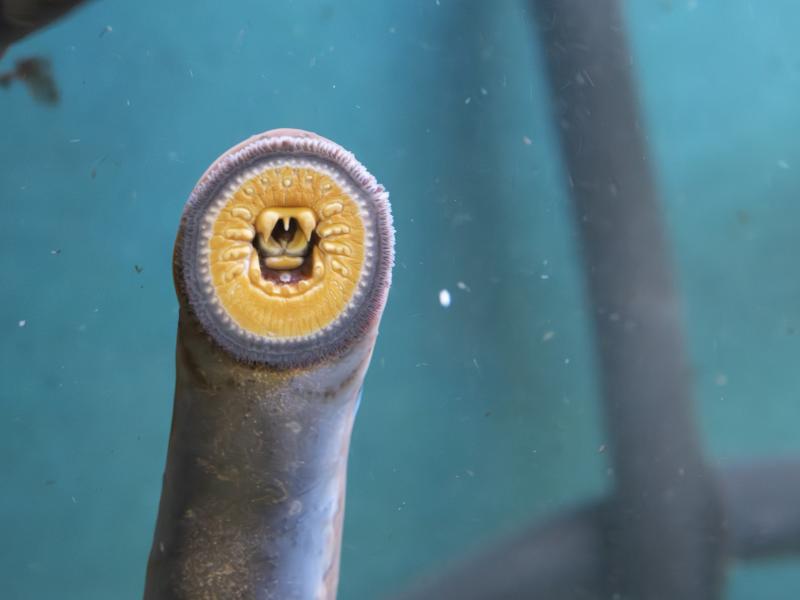
Older than trees: Pacific lamprey return to zoo
25 Pacific lamprey moved into the zoo’s Great Northwest area today.June 10, 2026
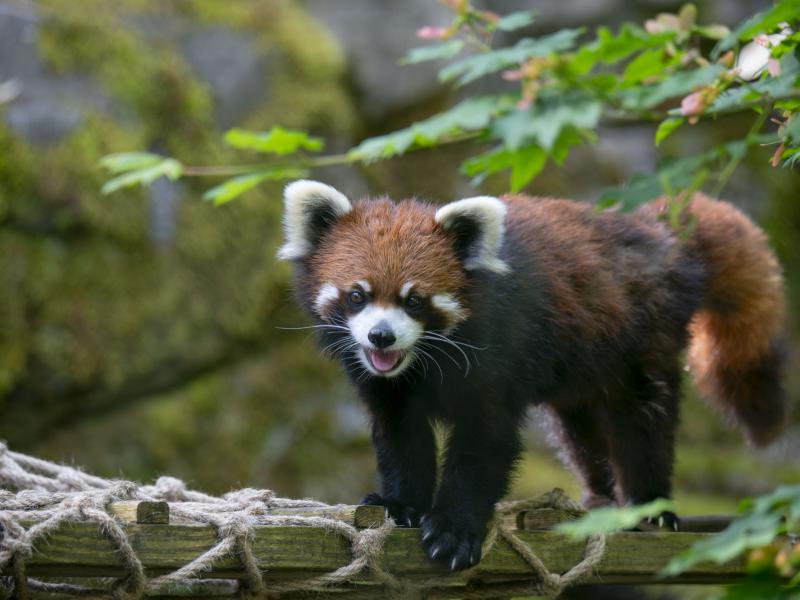
Okey-dokey, Enoki! Zoo welcomes rare red panda
What’s black and white and red all over? Enoki the red panda!June 4, 2026
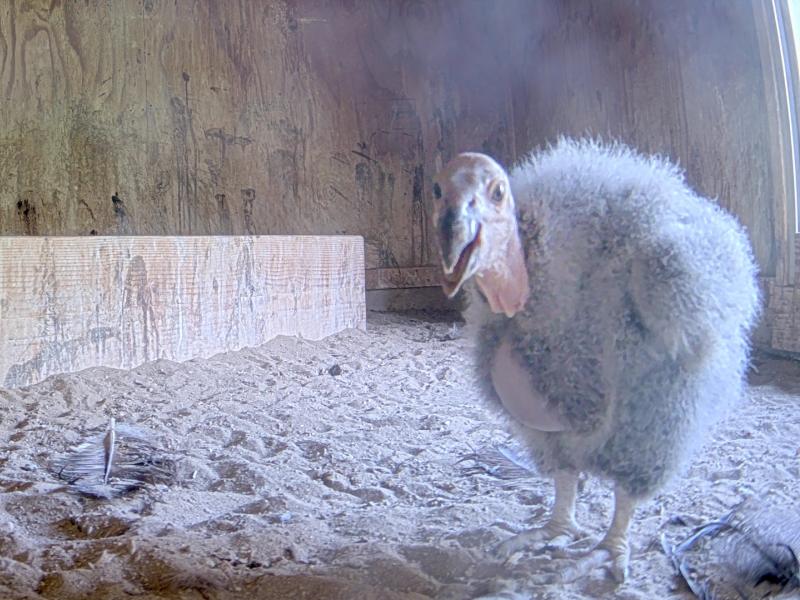
A record year for zoo's condor recovery effort
California condors at the Oregon Zoo’s Jonsson Center for Wildlife Conservation have produced 15 healthy chicks this year — the most ever in the zoo’s 23-year effort to save this species.May 29, 2026