

Oversight group convenes as zoo kicks off a decade’s worth of campus improvements

The Oregon Zoo Bond Oversight Committee held its first meeting yesterday, coming together in the zoo’s Conservation Hall to adopt a charter, establish subcommittees, and gather information on bond-related finances and construction plans.
“Accountability is baked in to our process,” said Beth Redmond-Jones, who oversees implementation of the zoo’s bond-funded improvements. “This is a group of professionals from around the region with expertise in municipal finance, sustainability, construction, wildlife conservation and animal well-being. We are very grateful for their service.”
The committee provides independent review of the zoo bond implementation to help ensure the public’s money is well spent. It will report to Metro Council and the public on construction progress, spending trends, cost projections, project modifications and more.
As the committee gets up to speed, the zoo is already tackling a couple of smaller projects that will increase visitor accessibility while saving water and energy in zoo operations.
On the south side of the entry plaza, workers are building a large covered area that will extend out from Cascade Cafe, offering shade in the summer and shelter when it rains. It will be a comfortable spot for guests to sip a morning coffee or grab a quick bite as they watch the mountain goats across the way, Redmond-Jones said.
And over near Polar Passage, crews are laying the foundation for a new Wildlife Pavilion, where guests can relax with an elephant ear, pizza or a picnic lunch. The space will also be equipped to host company parties, weddings and other private events.
Both new spaces will be ADA-compliant, increasing accessibility for visitors of all abilities while offering protection from heat and extreme weather. They will also meet Metro’s Sustainable Building and Sites Policy, saving water and energy in zoo operations. At the pavilion, rainwater will funnel into adjacent planting beds, and rooftop solar panels will help offset energy use.
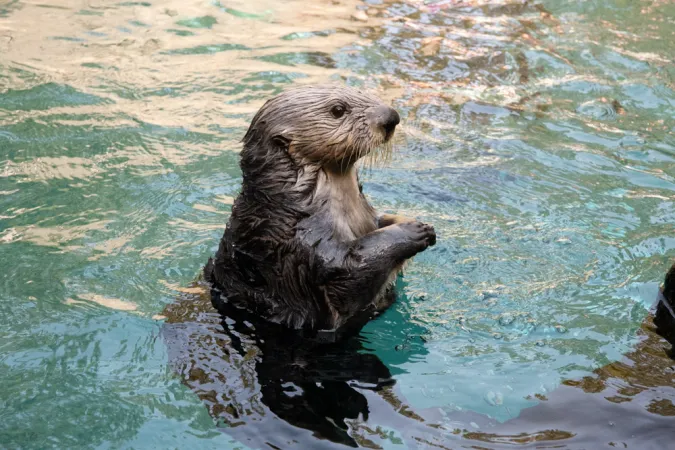
Many more improvements are on the way, Redmond-Jones says. Conceptual design begins this summer for the first major animal project: Coastal Shores, with new habitats for sea otters, harbor seals and Humboldt penguins. Design work for this marine-life habitat is set to begin this summer.
Over the next 10 to 15 years, the zoo will upgrade some of its oldest animal areas and infrastructure, as prioritized in the zoo’s 2024 campus plan, developed over 18 months through engagement with community stakeholders, zoo visitors, staff and animal health experts.
“Our campus plan provides the direction, but it’s more of a vision board than an instruction manual,” Redmond-Jones said. “In a rapidly changing world, we know we must be flexible to support constantly evolving species-recovery needs and new priorities.”
More News
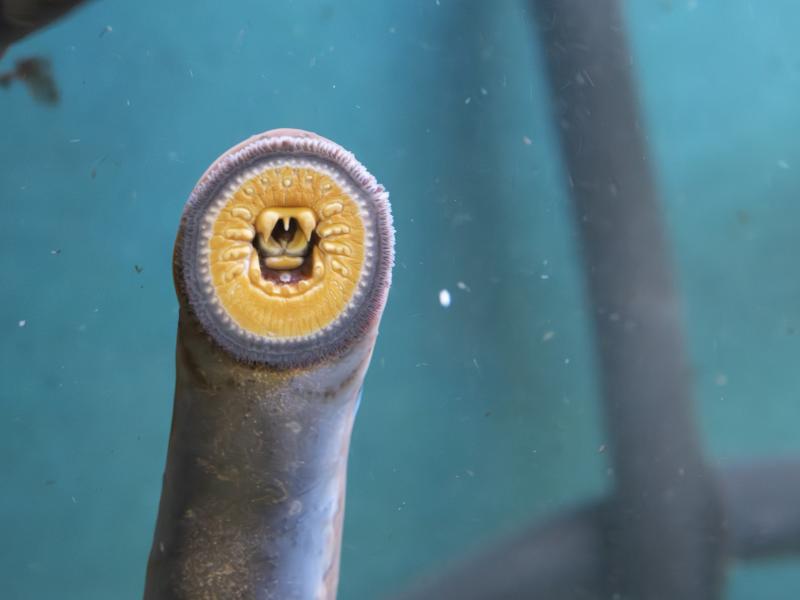
Older than trees: Pacific lamprey return to zoo
25 Pacific lamprey moved into the zoo’s Great Northwest area today.June 10, 2026
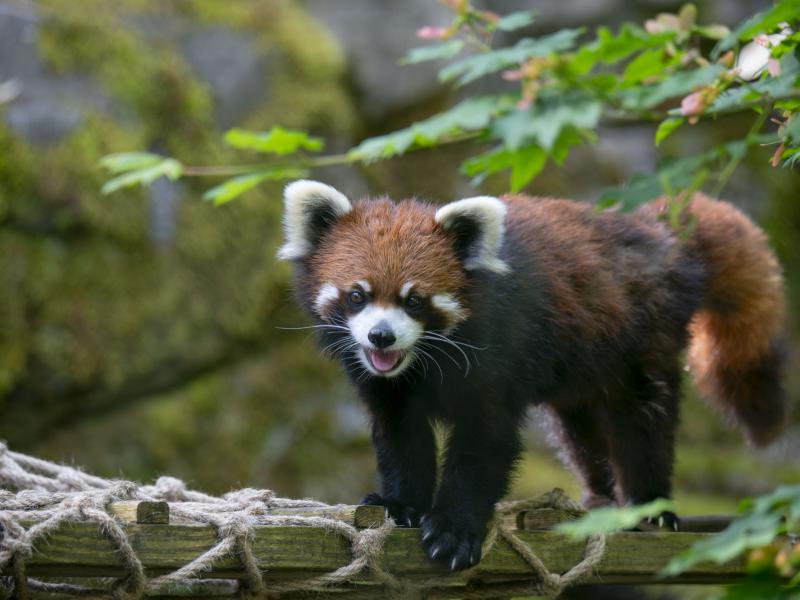
Okey-dokey, Enoki! Zoo welcomes rare red panda
What’s black and white and red all over? Enoki the red panda!June 4, 2026
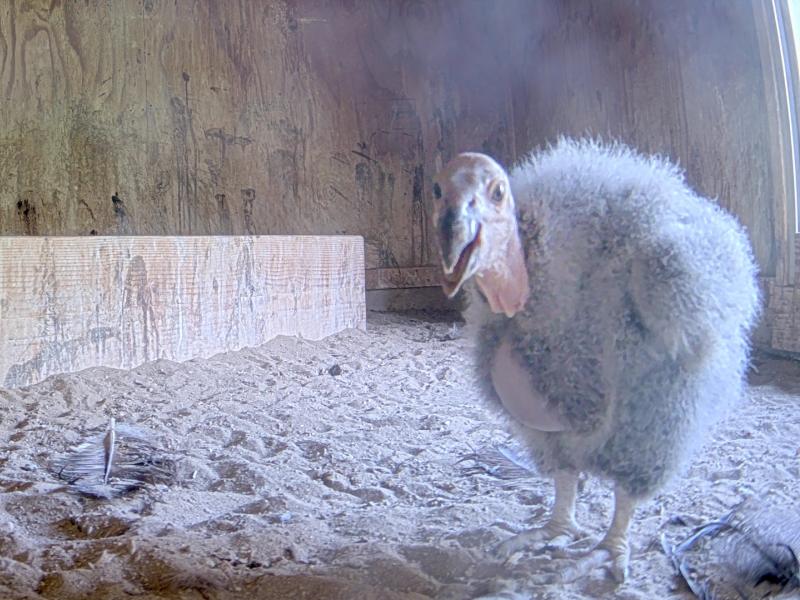
A record year for zoo's condor recovery effort
California condors at the Oregon Zoo’s Jonsson Center for Wildlife Conservation have produced 15 healthy chicks this year — the most ever in the zoo’s 23-year effort to save this species.May 29, 2026