

Social climber: Zoo's baby colobus monkey is up and at 'em

Newest member of the primate family is now hopping, leaping and hanging by its tail
A gravity-defying acrobatics show debuted at the Oregon Zoo this week as a 2-month-old colobus monkey began learning to climb. Though the fluffy white youngster has yet to develop the long, cape-like fur of its parents, it's well on the way to mastering their signature climbing and leaping abilities.
"Colobus monkeys are excellent climbers," said Colleen Reed, a keeper who cares for the zoo's primates. "Though they don't have thumbs, they use their long fingers as hooks to help them leap from tree to tree."
The baby can be seen hopping, leaping and hanging by its tail, but never straying too far from the grownups. Colobus monkeys practice a style of collective rearing known as alloparenting where the adults take turns caring for babies in the family. Biologists believe this parenting style accounts for colobus babies' striking all-white fur, which makes them easy to identify within a large family group.
The active youngster was born June 12 at the zoo to first-time mom Violet. Caregivers won't know whether the baby is male or female until its initial veterinary check, probably in a few weeks.
Visitors can catch a glimpse of the climbing practice in the zoo's Africa Rainforest area, where the colobus monkeys share their waterfall habitat with Allen's swamp monkeys. Because of their calm nature, the colobus monkeys do very well in this multispecies environment.
"A lot of people miss the colobus habitat, since it's a bit tucked away," said Reed. "It's in a beautiful part of the zoo, between bats and flamingos."
More News
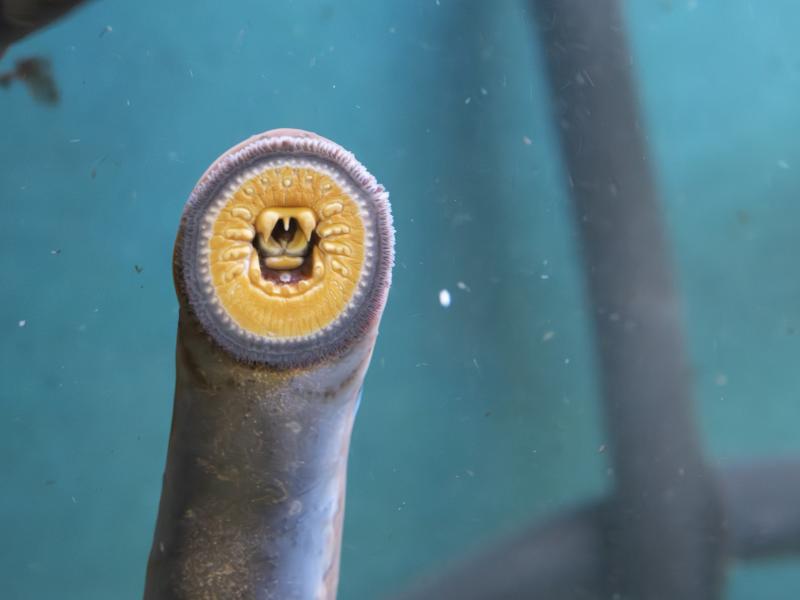
Older than trees: Pacific lamprey return to zoo
25 Pacific lamprey moved into the zoo’s Great Northwest area today.June 10, 2026
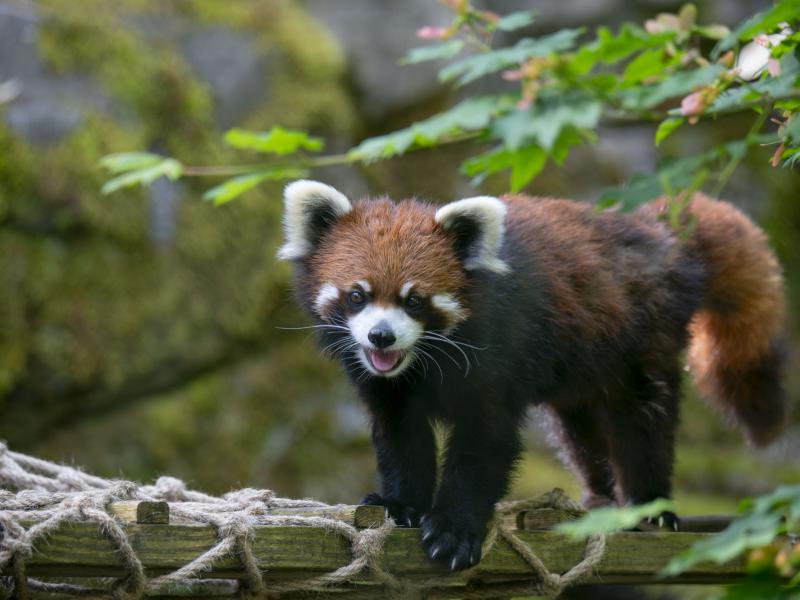
Okey-dokey, Enoki! Zoo welcomes rare red panda
What’s black and white and red all over? Enoki the red panda!June 4, 2026
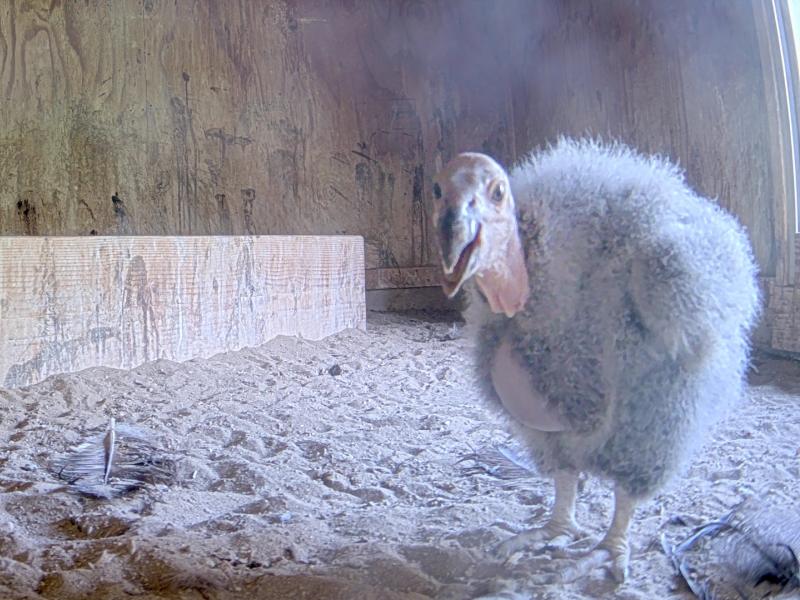
A record year for zoo's condor recovery effort
California condors at the Oregon Zoo’s Jonsson Center for Wildlife Conservation have produced 15 healthy chicks this year — the most ever in the zoo’s 23-year effort to save this species.May 29, 2026