


Playful pachyderm party included elephant-sized toys and special cake
Asian elephant calf Tula-Tu is 1 year old today, and the Oregon Zoo celebrated her with a party fit for a half-ton toddler. The festivities kicked off with a brand-new ball from Portland Fire, followed by special keeper talks and a rousing rendition of “Happy Birthday” from zoo guests. And the icing on the cake? Icing on the cake!
“Elephant care staff made a special layer cake out of some of Tula’s favorite foods,” said Steve Lefave, who oversees the zoo’s elephant care program. “It was full of crunchy lettuce, apples and sweet potatoes, and they used coconut milk to frost the outside. In the end it weighed over 25 pounds!”
Although Tula-Tu now tips the scales at just under 1,000 pounds, her cake was made for sharing. The entire elephant family — including her mom Rose-Tu and her dad Samson — enjoyed the birthday treat.
On her first trip around the sun, Tula has delighted fans around the world, sparking hope for her endangered species.
“Tula has been such an inspiration,” said Steve Lefave, who oversees the zoo’s elephant care program. “From the very beginning, she’s been a symbol of hope and connection, for our community and beyond.”
Born Feb. 1, 2025, Rose-Tu’s baby became an overnight sensation, logging two appearances on NBC’s Today show in her first two weeks. In June, the playful pachyderm served as honorary grand marshal of the Rose Festival’s Grand Floral Parade, and inspired the award-winning Alaska Airlines float.
All that attention spells good news for Tula-Tu’s wild counterparts, experts say. “The more exposure people have,” University of Michigan professor Stephanie Preston said in a Forbes article about the young elephant, “the more likely they are to consider it important to conserve the spaces where the species live.”
Highly endangered in their range countries, Asian elephants are threatened by habitat loss, conflict with humans and disease. It’s estimated that just 40,000 to 50,000 of them remain in fragmented populations from India to Borneo, and their home range overlaps with some of the most populous human areas on the planet — 20% of people worldwide live in or next to Asian elephant habitat.
“Tula isn’t the only baby elephant we’re caring for,” Lefave noted. “In Borneo, which is home to the world’s smallest and rarest elephants, our partnership with the Wildlife Rescue Unit means more wildlife rangers are working to protect rescued calves and reunite them with their families.”
The Oregon Zoo is recognized worldwide for its elephant care program, which has spanned more than 60 years. It has established a $1 million endowment fund supporting Asian elephants, including the Association of Zoos and Aquariums’ SAFE program to advance conservation across all 13 of the species’ range countries.
Beyond direct elephant care, the zoo collaborates with local partners in Borneo to create lasting conservation solutions, from replanting forests and establishing protected corridors to fostering peaceful coexistence between elephants and communities.
More News
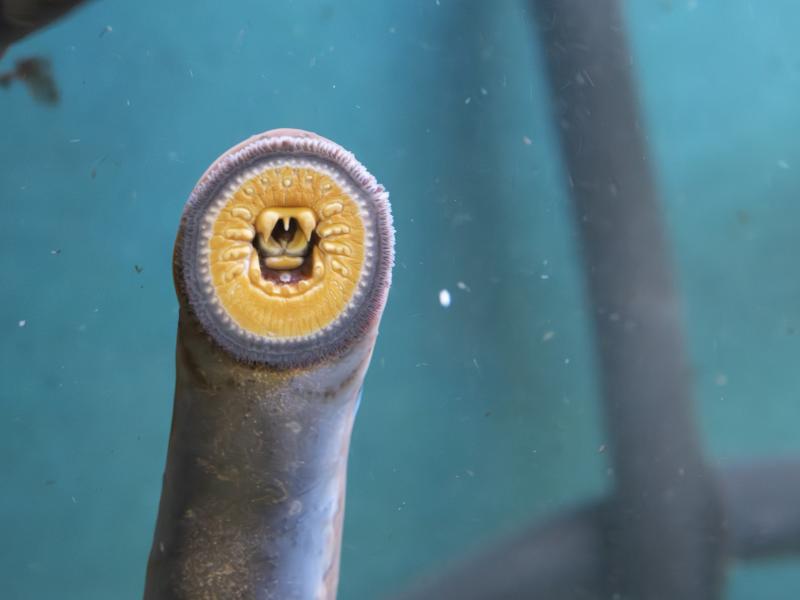
Older than trees: Pacific lamprey return to zoo
25 Pacific lamprey moved into the zoo’s Great Northwest area today.June 10, 2026
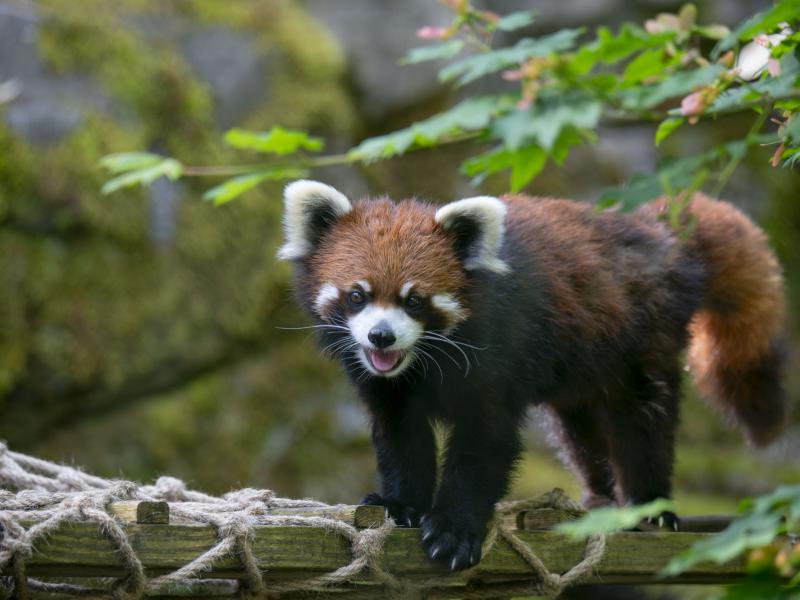
Okey-dokey, Enoki! Zoo welcomes rare red panda
What’s black and white and red all over? Enoki the red panda!June 4, 2026
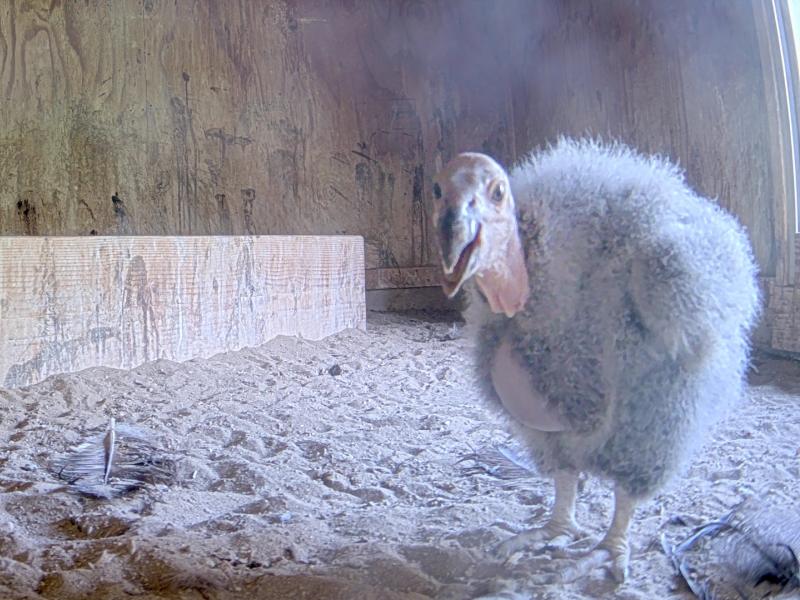
A record year for zoo's condor recovery effort
California condors at the Oregon Zoo’s Jonsson Center for Wildlife Conservation have produced 15 healthy chicks this year — the most ever in the zoo’s 23-year effort to save this species.May 29, 2026