

Zoo says goodbye to rescued river otter B.C.

B.C., an American river otter known for his playful antics and outstanding parenting skills, was humanely euthanized last week following a battle with pancreatic cancer.
Orphaned as a pup near Star City, Ark., B.C. was initially taken in by the Little Rock Zoo in 2009. He found his forever home the following year at the Oregon Zoo, where he and female river otter Tilly, another rescued pup, became playful companions and eventually produced four pups together.
Animal-care staff regarded B.C., short for Buttercup, as an exceptional father.
“During breeding season, many zoos separate the male from the female and pups — to keep the mom from attacking the male,” said Amy Cutting, who oversees the zoo’s North America area. “With these two, they got along exactly as they were supposed to, regardless of season. In fact, B.C. learned how to support Tilly as a mom, and even helped with the kids.”
Cutting said the pair’s second offspring, Ziggy, fathered four pups of his own this year at Seattle’s Woodland Park Zoo, making B.C. a grandpa.
“Otters are truly amazing animals,” said keeper Renée Larison, who worked closely with B.C. “They’re vital to stable lakes, rivers and oceans — their presence in their native habitat indicates that ecosystem is healthy. And B.C. did so much to inspire zoo guests and help tell their important conservation story.”
Once threatened by fur trappers, North American river otters are now considered rare throughout most of the U.S. due to habitat destruction and water pollution. They are relatively abundant in healthy river systems of the Pacific Northwest though, and are frequently observed in local waterways.
More News
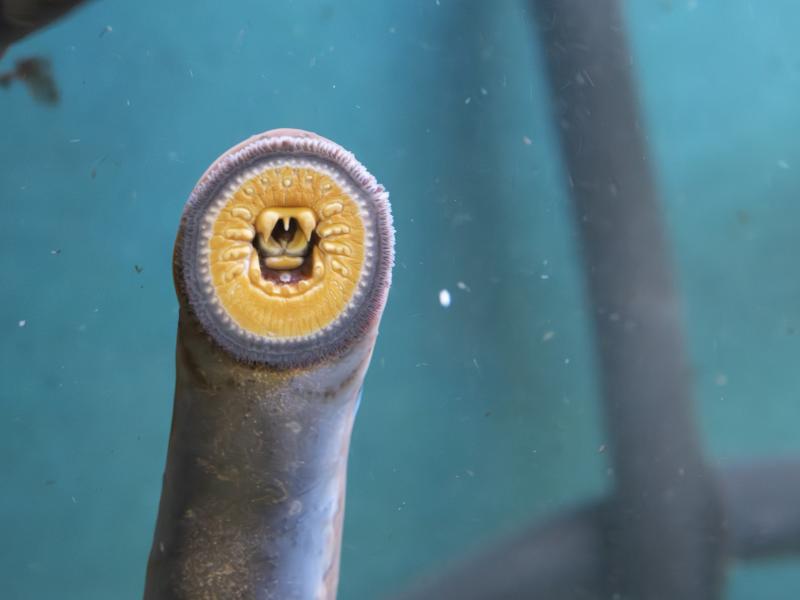
Older than trees: Pacific lamprey return to zoo
25 Pacific lamprey moved into the zoo’s Great Northwest area today.June 10, 2026
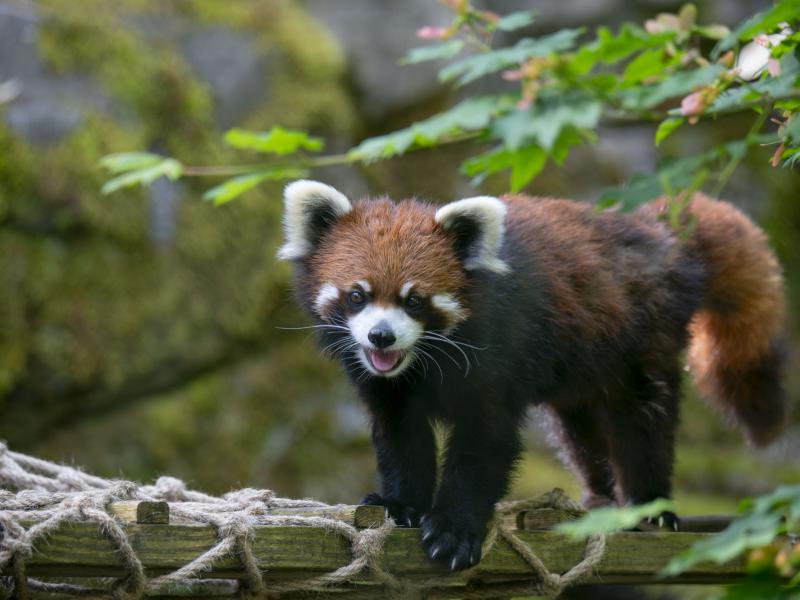
Okey-dokey, Enoki! Zoo welcomes rare red panda
What’s black and white and red all over? Enoki the red panda!June 4, 2026
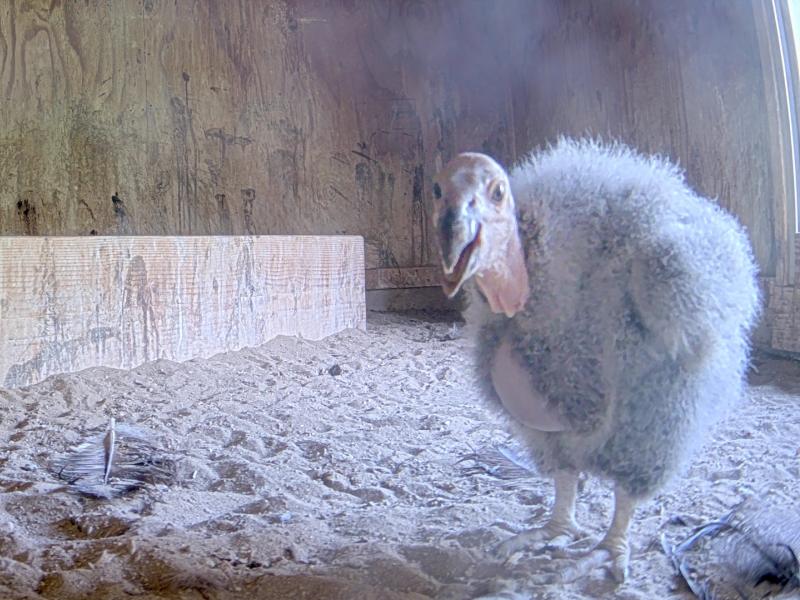
A record year for zoo's condor recovery effort
California condors at the Oregon Zoo’s Jonsson Center for Wildlife Conservation have produced 15 healthy chicks this year — the most ever in the zoo’s 23-year effort to save this species.May 29, 2026