


With DNA fingerprinting, researchers learn more about pygmy rabbit's comeback
Pygmy rabbits are known for their cute looks, but there's a lot more to learn about these one-pound wonders. A new study from the University of Idaho uses non-invasive DNA fingerprinting — via rabbit pellets — to assess how well pygmy rabbits are faring at two reintroduction sites in the Columbia Basin.
The pygmy rabbit is the smallest rabbit in North America. Since 2011, nearly 2,000 of them have been released into the Sagebrush Flats Wildlife Area in central Washington with the hope of creating a sustainable population. In 2017 another group of rabbits was released at a second location, nearby Beezley Hills.
"Monitoring these reintroduced populations is crucial to the success of the pygmy rabbit recovery effort," said Lisette Waits, head of the fish and wildlife sciences department at the University of Idaho. "The more we can learn about these rabbits, the more we can do to help them."
With funding from the Oregon Zoo Foundation's Future for Wildlife program, Waits and her team have begun monitoring the reintroduced population using fecal DNA sampling. They collected 340 pellet samples from active burrows during the winter months, and now they'll analyze them using DNA identification.
The information they gather will help to determine how many of the rabbits were born in the wild and how many were released. The results of this study will provide critical information on the success of the reintroduction efforts and inform future pygmy-rabbit conservation and management efforts.
In 2002, only 16 pygmy rabbits remained in Washington. The Columbia Basin pygmy rabbit is listed as endangered federally and in Washington state. Once on the verge of extinction, these kitten-sized rabbits are beginning to repopulate their historic range thanks to the Oregon Zoo and its conservation partners.
More News
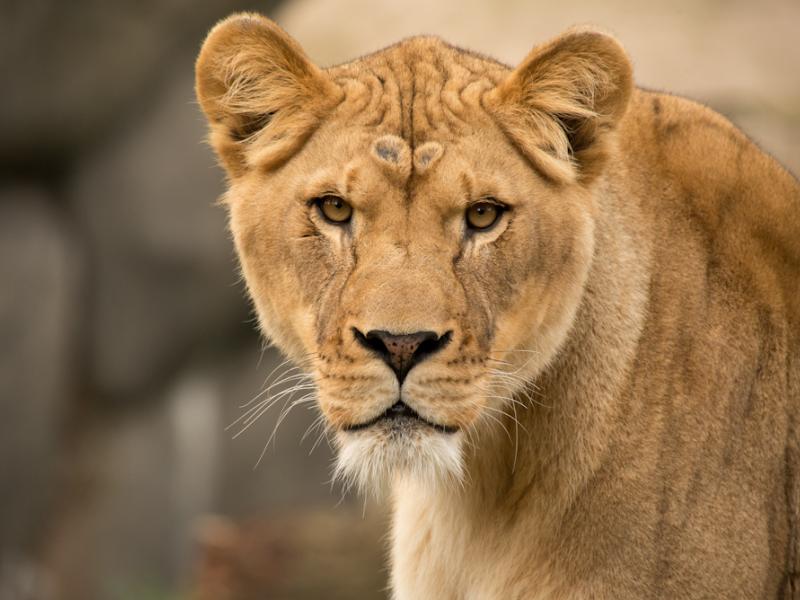
A sad goodbye to Kya, oldest of the zoo lion pride
The Oregon Zoo bid a sad farewell today to Kya, the oldest member of its African lion pride.June 16, 2026
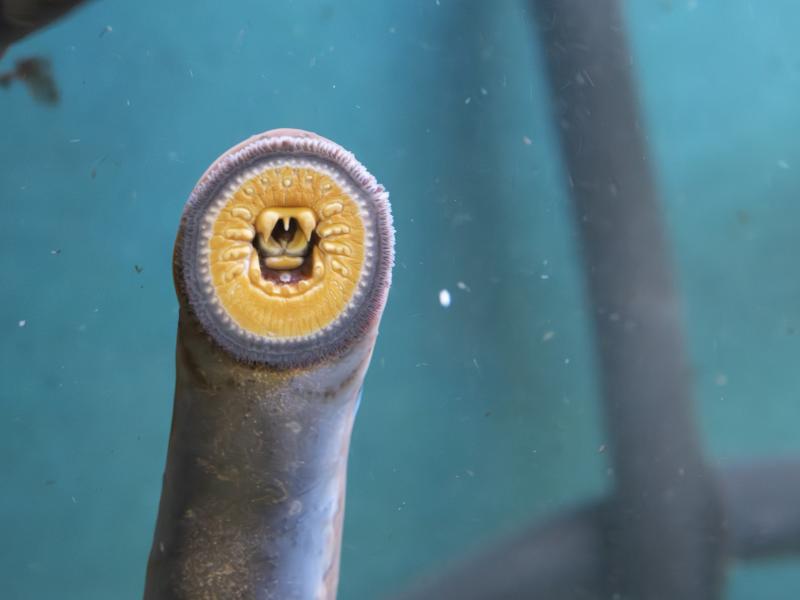
Older than trees: Pacific lamprey return to zoo
25 Pacific lamprey moved into the zoo’s Great Northwest area today.June 10, 2026
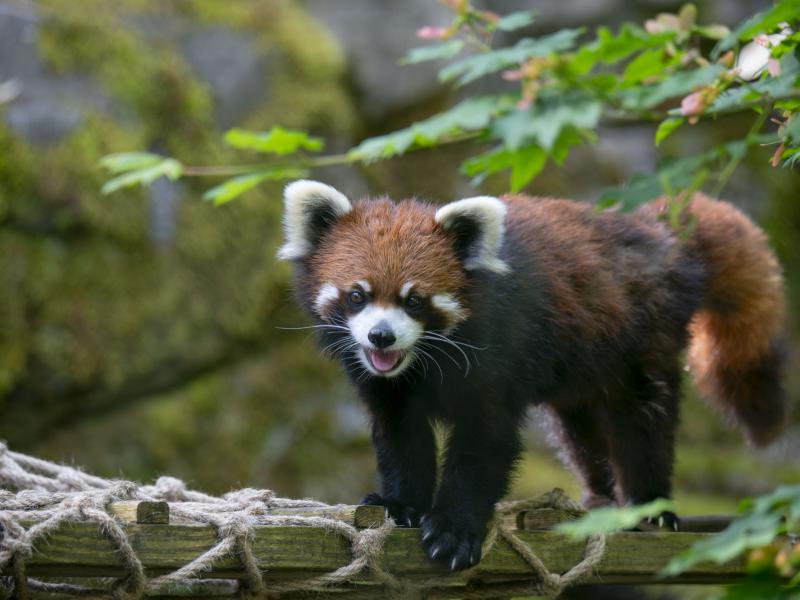
Okey-dokey, Enoki! Zoo welcomes rare red panda
What’s black and white and red all over? Enoki the red panda!June 4, 2026